
Law
What California Parents Must Know Before Taking a Minor on a Motorcycle
Sharing a passion for riding with the next generation is a goal for many enthusiasts. The sense of freedom and the open road provides a unique bonding experience. However, moving from a car to a bike requires a major shift in the safety mindset for families.
Safety for children is not as simple as handing them a small helmet and hoping for the best. The physical demands of riding are much higher than sitting in a back seat. Parents must evaluate equipment to ensure every trip is free from any avoidable harm.
Navigating state laws is the first step in preparing for a ride. Many caregivers begin by researching what age can a child ride on a motorcycle in California to stay compliant. This ensures the experience remains focused on the joy of travel.
Physical Requirements and the Footrest Rule
Physical requirements are the most immediate barrier to entry for a young person wanting to join a ride. California law does not set a specific numerical age, but it does mandate a strict physical capability for every passenger. A person must be able to reach the designated footrests securely.
Height is the most critical factor because if a child cannot plant their feet firmly on the pegs, they cannot maintain their balance. Without this stable base, the passenger is likely to shift unexpectedly during a turn or a sudden stop. This instability compromises the control of the entire bike.
Measuring a child’s reach is a simple test that should be performed before every journey. If they have to stretch to make contact, they are not ready. This ensures that the rider and the passenger function as a single unit during transit through the busy metropolitan area.
Mandatory Gear and Protective Clothing
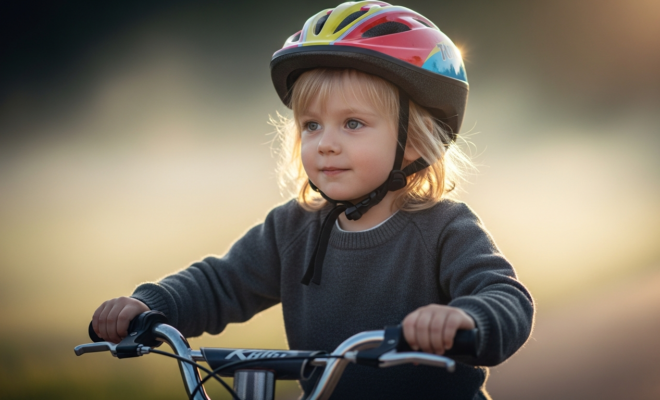
Mandatory helmet laws are strictly enforced throughout the state to protect riders of every age from head trauma. A child must wear a DOT-approved helmet that fits their specific head shape without sliding. Using a loose adult helmet is a dangerous mistake that can lead to catastrophic results.
Protective clothing serves as the next layer of defense against road rash and environmental hazards. Reinforced jackets and long pants provide a barrier between the skin and the pavement during an accidental slide. Gloves and boots are also necessary to protect the extremities during active roadway travel.
Investing in high-quality gear is an essential part of the preparation process. Proper fit ensures that the safety features can actually perform their intended function when they are needed most. Every piece of equipment should be inspected for wear to maintain the highest level of security.
The Active Role of the Passenger
Being a passenger on a motorcycle is an active task that requires concentration and physical coordination. A child must understand how to lean with the bike during turns rather than resisting the movement. This synchronization is vital for maintaining the center of gravity and ensuring precise steering.
Communication strategies are a necessary part of the pre-ride briefing for a young person. Establishing simple hand signals or using a helmet intercom system allows for real-time feedback during the journey. A child should know how to signal if they are uncomfortable or need a break.
Teaching these roles builds a sense of responsibility and engagement for the child. It turns a passive experience into a collaborative effort where both parties are focused on safe transit. This mental engagement helps the child stay alert and prepared for the dynamic nature of the road.
Managing Risks and Legal Liability
Long rides present unique risks such as a child falling asleep or losing their grip due to exhaustion. The constant vibration of the engine and the steady flow of air can have a lulling effect. Operators must monitor their passenger closely and take frequent stops to prevent lapses.
Legal liability for a parent is a serious consideration whenever a minor is involved in an accident. The state uses a reasonable parent standard to evaluate whether the caregiver took every necessary precaution. Failing to follow basic seating or gear rules can lead to a loss of rights.
Understanding these risks is not meant to deter the experience but to make it safer. A proactive approach involves identifying potential hazards before the kickstand is lifted. Staying within the limits of the child’s endurance is the hallmark of a responsible and careful motorcycle operator.
Conclusion
Maturity is just as important as physical height when deciding if a child is ready for the motorcycle. A passenger must be able to follow complex instructions and remain still for long periods without becoming a distraction. This mental readiness ensures that the experience is a positive milestone.
Sharing the road with the next generation is a privilege that comes with a heavy burden of safety. Every trip should be memorable for the right reasons, focusing on the beauty of the landscape and the bond between riders. Following best practices ensures that this legacy continues safely.
Final thoughts on motorcycle safety emphasize the need for patience and professional gear at all times. By prioritizing the well-being of the child, parents can enjoy the freedom of the road with confidence. A safe ride is the best way to foster a lifelong love.


0 comments