
Business
IBC Tanks for Sale: A Complete Guide to Sizes, Uses, and Buying Tips
A pallet of 55-gallon drums works fine until your volume outgrows it. At some point the math stops making sense: too many containers, too much handling time, and too much floor space eaten up by individual barrels. That’s when most operations make the switch to intermediate bulk containers. Here’s what to know before you buy.
What Is an IBC Tank?
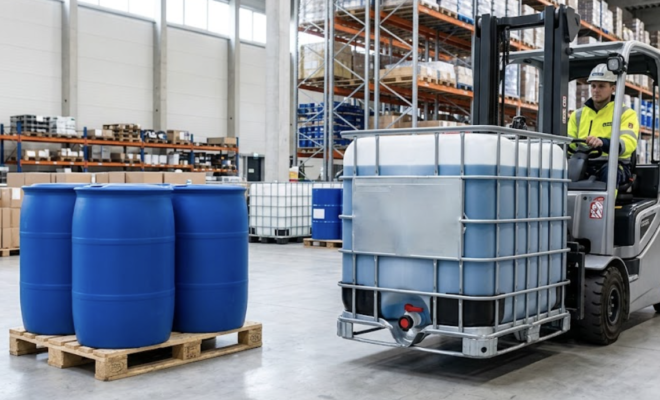
IBC tanks for sale in the North American market most commonly come in 275- and 330-gallon capacities, sitting on an integrated pallet base that allows forklift and pallet jack handling without additional equipment. Most are composite totes: a plastic inner bottle, typically HDPE, housed inside a galvanized steel cage. All-plastic and stainless steel versions exist for applications with specific chemical or sanitary requirements.
If you’re browsing IBC tanks for sale online, confirming the material type and closure configuration before comparing prices will save you from a mismatch down the line.
IBC Tank Sizes: What the Numbers Mean
The 275-gallon tote is the more common of the two standard sizes, and its slightly smaller footprint makes it a better fit for facilities with tighter aisle clearance or weight floor limits. The 330-gallon tote holds more per unit and reduces the number of container swaps in high-volume operations, but it weighs more when full and requires adequate floor load capacity.
Both sizes share a standardized pallet base footprint of approximately 40 by 48 inches, so they fit standard racking and dock equipment without modification. Some suppliers offer non-standard capacities outside the 275 and 330-gallon range for specialized applications, but availability is more limited and lead times can be longer. For most industrial buyers, one of the two standard sizes will cover the requirement.
Where IBC Tanks Get Used
Chemical manufacturers use them to store and ship acids, solvents, and industrial cleaning agents, subject to compatibility requirements for the specific contents and applicable transport regulations.
Food and beverage processors rely on them for bulk liquids like syrups, oils, and juices when the tote meets FDA requirements and is approved for food contact. Agricultural operations use them for liquid fertilizers and crop protection products, provided the tote material is compatible with the contents.
Water storage, wastewater handling, and industrial process fluids round out the most common applications. Their stackable design and standardized footprint make them practical for facilities with tight floor space and high-volume needs.
New vs. Reconditioned IBC Tanks
New IBC tanks come with clean interiors, full manufacturer specifications, and no uncertainty about prior contents, which matters most when storing food-grade materials or regulated substances. Reconditioned totes are cleaned, inspected, and tested to industry standards before resale, and they typically sell at a meaningful discount.
For non-food, non-pharmaceutical applications where prior contents are documented and compatible with your intended use, a reconditioned IBC tank can perform just as well at a lower cost. Always request reconditioning records and confirm what the tote previously held before committing.
Buying Tips: What to Check Before You Buy
Valve condition is one of the most important things to verify on any used IBC tote. The bottom outlet valve takes the most wear, and a damaged or worn valve is a leak risk from day one. On reconditioned units, ask whether the valve was replaced or inspected as part of the reconditioning process.
Check the cage for structural integrity and the pallet base for cracks or damage that could affect stability during forklift handling. Cross-reference the tote material against your specific contents before purchase, particularly for solvents or corrosive substances.
If the tote will be used for regulated transport, confirm that it has the appropriate UN certification for your hazard classification.
Where to Source IBC Tanks
Container Exchanger is an online marketplace for new and used industrial containers, including IBC tanks in a range of sizes and configurations from sellers across North America. Comparing listings in one place lets you match the right spec to your application, find regional inventory that keeps freight costs down, and access reconditioned stock at competitive prices.
Confirm material specs, prior contents, and seller details for each listing before purchasing.


0 comments