
Law
Examining the Historical Meaning of What Does BAR Stand For in Legal Practice
Myths often circulate about the origins of common legal terms, leading many people to believe that the titles used by lawyers are complicated acronyms. It is easy to assume that professional designations represent a secret code or a complex governing body of laws.
Most of these stories are simply tall tales that have grown over centuries of tradition and whispered folklore in the halls of justice. The reality of the law is often rooted in something much more tangible than a clever string of letters and modern abbreviations.
Looking back at the layout of medieval courtrooms provides the real answer to the mystery of what does BAR stand for in the legal world. This transition from a physical piece of wood to a professional standard is a fascinating journey through historical time.
The Architecture of the Early Courtroom
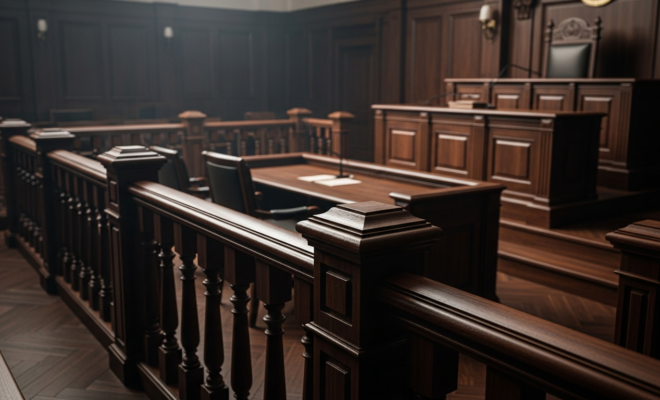
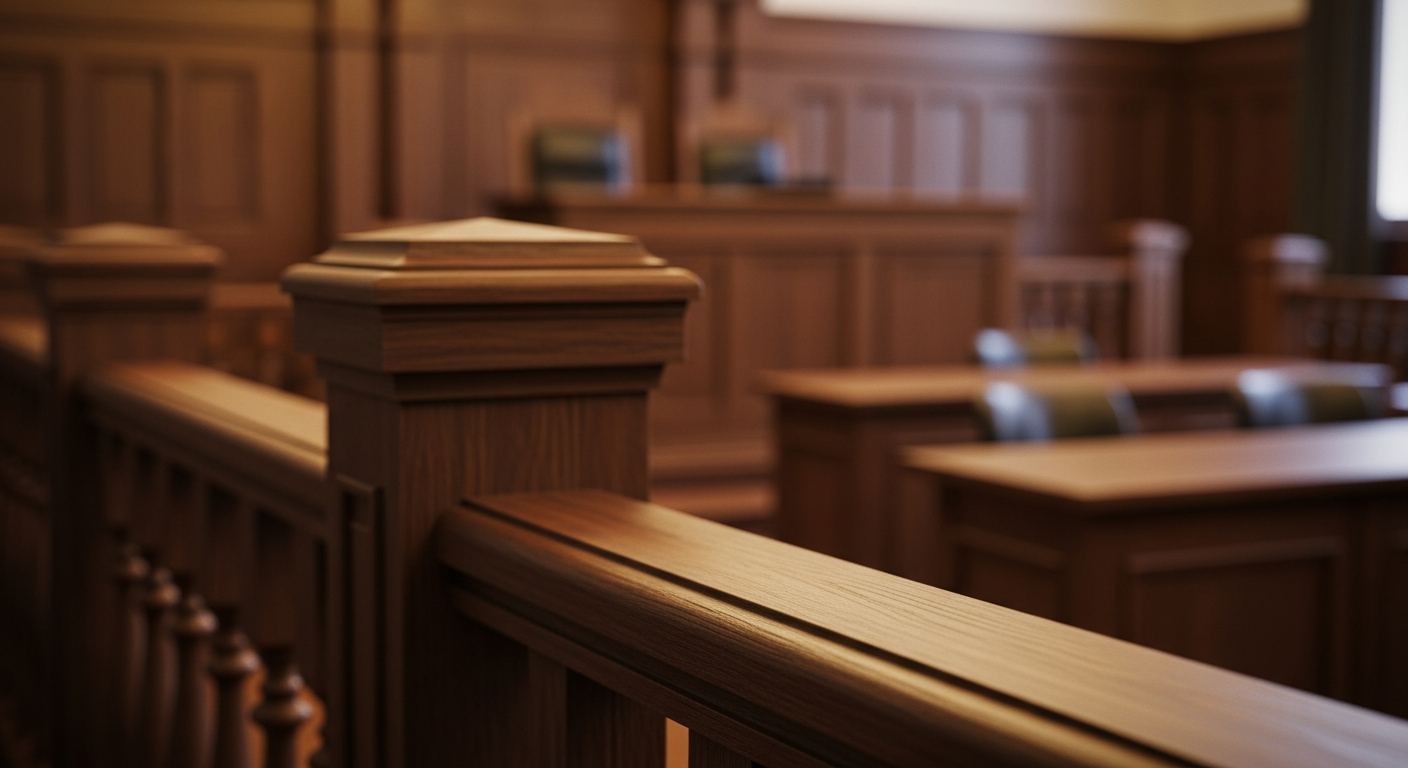
In the earliest days of formal court proceedings, a physical railing or fence stood as a barrier within the room. This partition was not just a decoration but a vital tool for maintaining order and decorum during high stakes legal trials and public hearings.
Only specific people were permitted to pass through this gate to address the judge and present their arguments. The general public remained on the other side, watching the drama unfold from a safe distance behind the sturdy wooden rail that defined the space.
This layout eventually became the standard design for every courtroom across the globe, creating a clear division between the participants and the observers. The furniture itself dictated the flow of information and the hierarchy of the officials present during the specific hearing.
The Rite of Passage for New Practitioners
Becoming a lawyer in the old world required more than just studying books and passing a written examination. A candidate had to prove their merit and their character through a long period of apprenticeship and direct observation in the local courts of law.
When a student was finally ready to practice, they were called forward by the judges to physically step past the railing. This movement into the inner circle was a solemn moment that signaled the transition from a student to a professional and recognized advocate.
This act of stepping forward is where the common phrase about qualifying for a legal license originated. It was a literal rite of passage that granted a person the authority to represent others and argue points of law before a seated and official bench.
From Medieval Guilds to Professional Societies
As the legal profession grew, practitioners began to organize into formal groups to regulate their own conduct and set high standards for entry. These organizations took inspiration from the trade guilds of the era, focusing on the preservation of specialized knowledge and ethics.
In England, these groups formed the Inns of Court, which served as both schools and residential colleges for aspiring lawyers. These institutions provided a structured environment where the traditions of the common law were passed down through the generations of skilled and senior practitioners.
This model eventually crossed the Atlantic and influenced the development of the legal system in the United States. Professional societies replaced the old guilds, but the commitment to maintaining the integrity of the courtroom through rigorous standards of practice remained the top priority.
The Modern Regulatory Landscape of the Profession
Today, the regulation of the legal profession is handled by specific bodies that oversee the licensing and discipline of every attorney. Some states follow an integrated model, which requires every active practitioner to be a dues paying member of a single statewide organization.
This mandatory membership ensures that everyone follows the same ethical guidelines and contributes to the overall growth of the legal community. It provides a centralized authority for investigating complaints and ensuring that the public is protected from unqualified or dishonest practitioners and firms.
Other states maintain a voluntary system where membership is not a requirement for holding a license to practice before the court. Regardless of the specific structure, these organizations continue to uphold the symbolic boundaries that were first established centuries ago by a simple wooden rail.
Conclusion
It is incredible to see how a simple piece of furniture from the Middle Ages has survived to become a universal symbol. The wooden rail might be gone in some modern rooms, but the concept of a restricted inner circle remains very strong.
Lawyers still carry the weight of this history every time they step into a courtroom to defend the rights of their clients. The standards of ethics and the rigorous entry requirements are a direct legacy of those early days behind the physical barrier.
The next time someone mentions the profession, the true story of the architectural origin provides a much deeper perspective on the law. A simple physical boundary became a lasting symbol of authority, knowledge, and the commitment to a fair and just system.


0 comments