
Technology
How Modern Cleaning Equipment Improves Operational Efficiency in Commercial Facilities
In today’s fast-paced corporate landscape, business owners are constantly searching for new ways to optimise their operations. While much of the focus naturally gravitates toward digital transformation and software upgrades, the physical management of a commercial facility plays an equally critical role in overall productivity. A well-maintained building sets the foundation for a successful enterprise. In fact, according to the model code of practice for managing the work environment, maintaining a clean and hazard-free physical workspace is a regulatory necessity to protect employee health and minimise safety risks. When a facility is kept in pristine condition, businesses experience fewer accidents, lower absenteeism, and a more focused workforce.
Creating a safe and productive environment requires more than just occasional attention. It demands a systematic approach to cleanliness that integrates seamlessly with daily business activities. By prioritising facility hygiene, leaders demonstrate a tangible commitment to their employees’ well-being. This proactive stance not only helps organisations meet strict compliance standards, but it also cultivates a culture of respect and professionalism that resonates throughout the entire company.
The Hidden Costs of Outdated Maintenance Methods
Many organisations still view facility cleaning as a basic operational expense rather than a strategic investment. Relying on ageing or residential-grade equipment in a commercial setting often leads to hidden costs that slowly drain a company’s budget. Outdated machinery frequently requires more manual effort, forcing cleaning teams to spend hours on tasks that modern technology could handle in a fraction of the time. This inefficiency inflates labour costs and takes staff away from other essential maintenance duties, ultimately reducing the overall productivity of the facility management team.
To combat this widespread issue, facility managers must equip their teams with tools designed specifically for heavy-duty daily use. For example, upgrading to high-performance commercial vacuums allows maintenance staff to efficiently navigate expansive floor plans, effectively capturing dust and debris while significantly reducing cleaning times. This immediate boost in productivity helps businesses control their labour expenditures while simultaneously elevating the overall standard of cleanliness.
Furthermore, outdated cleaning tools often lack the ergonomic design features found in newer models. This omission can lead to increased physical strain on cleaning personnel, potentially resulting in workplace injuries and higher turnover rates. By investing in modern, user-friendly equipment, companies can protect their staff from unnecessary physical fatigue, thereby maintaining a more stable and experienced maintenance crew over the long term.
Protecting Assets and Minimising Operational Disruptions
Beyond simply keeping a building looking professional, proper equipment plays a vital role in preserving a company’s physical assets. Commercial flooring, heavy machinery, and sensitive inventory are all susceptible to damage from accumulated dust, grime, and moisture. When an environment is not properly maintained, the rapid deterioration of these assets can lead to expensive repairs or premature replacements, creating significant financial setbacks for the organisation.
Taking a proactive approach to facility care is essential for long-term stability across all business operations. Just as fleet managers recognise how proper maintenance can extend the life of your diesel fleet to prevent costly operational downtime, business leaders must view facility upkeep as a core pillar of their expansion efforts rather than a simple overhead cost. Investing in modern and reliable cleaning equipment ensures your facility remains in top condition, ultimately safeguarding your most valuable physical assets from preventable wear and tear.
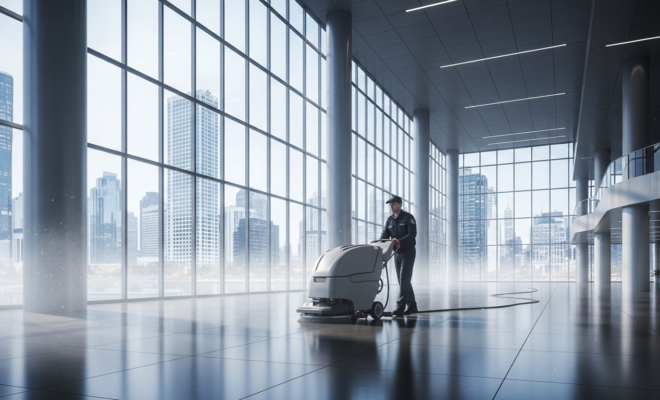
Modern sweepers and scrubbers are specifically designed to operate quietly and quickly, allowing maintenance to occur even during standard business hours without causing a distraction to the rest of the team. This capability is especially important in busy commercial spaces where operational downtime translates directly into lost revenue. With the right machines, cleaning routines become an invisible but highly effective part of the daily workflow, keeping foot traffic moving and productivity high. Advanced battery technologies also mean these machines can run longer on a single charge, removing the tripping hazards associated with long power cords.
Measurable Advantages of Upgrading Your Cleaning Fleet
Transitioning from traditional manual cleaning methods to modern mechanised solutions offers several tangible benefits for commercial facilities. Facility managers who make the switch often report immediate improvements across various performance metrics, validating the initial capital expenditure.
Consider the following distinct advantages of modernising your maintenance equipment:
- Elevated Productivity: Mechanised equipment can cover large square footage significantly faster than manual sweeping or mopping, freeing up staff for more detailed and complex tasks.
- Improved Health Outcomes: Advanced filtration systems capture fine airborne particles, improving indoor air quality and reducing the spread of allergens or seasonal illnesses.
- Consistent Results: Automated machines apply consistent pressure and cleaning solutions, ensuring every inch of the facility receives the exact same high standard of care.
- Better Resource Management: Newer equipment is highly efficient, often using less water and fewer harsh chemicals, which lowers consumable costs and supports broader corporate sustainability goals.
Maximising operational efficiency requires business leaders to look at every aspect of their organisation, right down to the floors they walk on. By treating facility maintenance as a core component of business strategy, companies can create safer, healthier, and more productive environments for their staff. Investing in the right commercial equipment is not just about keeping up appearances for visiting clients or stakeholders. It is a calculated, strategic decision that reduces long-term expenses, protects valuable assets, and keeps the entire operation running smoothly day after day. Ultimately, a clean facility is a clear reflection of a well-managed business, signalling to both employees and partners that quality and safety remain top priorities.


0 comments