
Sport
The Evolution of Sports and the Media Industry: The Broadcasting Rights Business in the Streaming Era
Over the past two decades, the environment for watching sports has changed dramatically. In many countries, television broadcasts were once the primary means of viewing sports, and fans typically watched games at scheduled times. However, the proliferation of smartphones and high-speed internet has rapidly digitized sports viewing. Today, watching games via streaming services is commonplace, and many leagues and tournaments have entered into contracts with digital streaming platforms. This change extends beyond merely shifting viewing methods; it is fundamentally altering fans’ information consumption behavior itself.
The Digitalization of Sports Viewing and Changing Fan Behavior
Modern sports fans do not merely watch game footage. While watching a game, they check statistical data, read other fans’ opinions on social media, and consult analysis articles from specialized media. This viewing style, utilizing multiple information sources simultaneously, has only become possible through the digital environment. When international tournaments are held, users can be seen online exploring various possibilities to find ways to watch them. For example, during the FIFA World Cup, in Japan and some territories, bookmakers offering World Cup betting sometimes provided live streaming of the matches.
This expansion of information exploration demonstrates how sports viewing is evolving beyond mere video consumption into a complex media experience encompassing data analysis and participation in online communities. Modern fans don’t just watch the game; they actively engage in discussions and analyses surrounding it. Sports content has evolved into a phenomenon that crosses multiple media platforms: television, streaming services, social media, and data sites.
Streaming Companies and the Sports Broadcasting Rights Business
Changes in the sports media landscape are also impacting the structure of the broadcasting rights business. For many years, the primary model for selling sports broadcasting rights involved regional sales to broadcasters. However, the expansion of digital streaming has made the rights sales process more complex. Today, alongside regional exclusive contracts, there are increasing cases where TV networks and streaming services jointly acquire rights, or where digital streaming rights are sold separately.
Behind this shift lies the entry of major technology companies. In recent years, firms like Amazon and Apple have fully entered the sports streaming market, leveraging their global user bases to expand investments in sports content. Furthermore, Netflix is deepening its involvement in sports through the production of sports-related content and documentaries. Streaming companies are thus becoming key players in the sports media industry.
For sports leagues and event organizers, this trend also presents significant opportunities. Digital distribution can reach audiences across borders, making it easier for leagues to expand their global fan base. Streaming services are also attractive as a means to reach new generations of viewers, given their high usage among younger demographics. Furthermore, the subscription model offers the potential for stable revenue streams, making it a crucial element in leagues’ business strategies.
The Importance of WBC Broadcast Rights and the Japanese Market
Japan’s presence is often highlighted when understanding the sports broadcast rights market. The World Baseball Classic (WBC), an international baseball tournament, is one event that garners exceptionally high interest in Japan. The WBC is an international tournament spearheaded by Major League Baseball, featuring national teams from around the world. However, from a viewership perspective, Japan is a critically important market for the tournament. Matches involving the Japanese national team tend to achieve high viewership ratings domestically, making them highly valuable content for media companies.
For many years in Japan, terrestrial broadcasters have played a central role in sports broadcasting. However, in recent years, the presence of sports specialty channels and streaming services has also grown. Consequently, competition for the broadcasting rights to international tournaments has emerged between both television networks and digital platforms. Viewers themselves no longer rely solely on television broadcasts. They now enjoy tournaments through multiple formats, including catch-up streaming, highlight videos, and short clips shared on social media. This hybrid viewing experience, combining television and streaming, symbolizes a defining feature of the current sports media landscape.
The 2026 FIFA World Cup and the Future of Broadcasting Rights
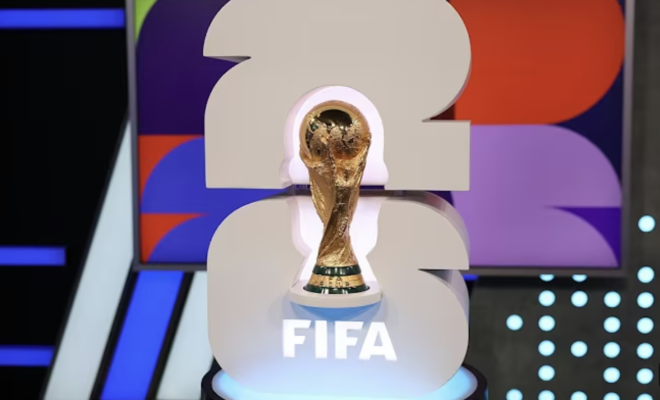
The 2026 FIFA World Cup serves as a crucial indicator when considering the future of the sports broadcasting rights business. This tournament is scheduled to be hosted by the United States, Canada, and Mexico, marking the first time in history that three countries will co-host the World Cup. Furthermore, the tournament format will undergo significant changes, with the number of participating teams increasing from the traditional 32 to 48. The increase in matches means more viewing opportunities, which will impact the value of broadcast rights.
More matches mean longer viewing times and increased opportunities for advertising and sponsorship. Furthermore, for streaming services, it offers the advantage of providing large-scale content over an extended period. These factors are likely to drive up broadcast rights prices.
In the future sports media market, global streaming companies and digital platforms are expected to play an even larger role alongside traditional broadcasters. Sports remain one of the few forms of content capable of simultaneously captivating people worldwide, and its value has actually increased in the digital age. Within this new media landscape where streaming and broadcasting intersect, the sports broadcasting rights business will continue to evolve significantly.


0 comments