
Lifestyle
Integrating Sustainable Practices in Modern Construction
As the global building industry has changed, it has become necessary to be more strict about managing the lifecycle of materials. As homes and businesses get more complicated, the number of advanced parts that go into their designs has grown a lot. It’s not just wood, concrete, and steel that go into building things these days. It’s also the complicated systems that power, heat, and connect our homes. This change has given developers and property owners a new duty to think about what will happen to the technologies they install when they reach the end of their useful life. To make sure that valuable resources are recovered instead of thrown away into the environment, a sustainable building strategy must take into account the eventual decommissioning of hardware.
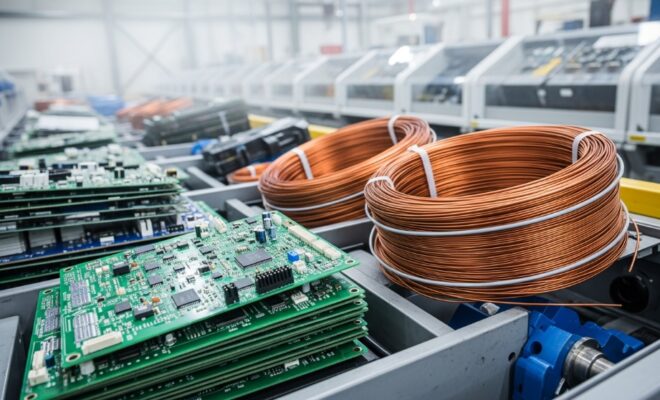
Taking care of technical parts that are no longer useful is an important part of being environmentally responsible as a business. For hazardous materials to stay out of the local ecosystem, a structured program for electrical waste recycling must be implemented. Old wiring, circuit breakers, smart home sensors, and climate control panels that are no longer in use often have heavy metals and rare earth elements in them that can be harmful if buried in a landfill. Construction companies can make sure that copper, gold, and high-grade plastics are stripped and put back into the manufacturing supply chain by working with certified recovery facilities. This process not only keeps the groundwater safe, but it also cuts down on the mining needed to get new raw materials, which uses a lot of energy.
Bringing together technology and getting resources back
When a building is being completely renovated or built from scratch, getting rid of old systems is a great way to check how well the building uses its resources. “Design for disassembly” is now a part of building high-performance structures. This makes it easier to get to the parts that need to be upgraded. This forward-thinking architecture makes sure that future generations can easily get valuable hardware without hurting the main structure. When a building’s old power infrastructure is taken out, the materials that are left over become a secondary mine for the industry, giving them the high-conductivity metals they need for the next generation of renewable energy systems.
The recycling industry has become more professional, which has made it easier to sort and process complicated assemblies. Advanced mechanical shredding and chemical separation methods now make it possible to get back almost 99% of some metals that are found in residential electrical systems. Many modern property owners need to take part in these recovery programs in order to get high-level green building certifications. A project adds a level of openness and moral value that appeals to the 2026 consumer by keeping records of how technical waste is properly disposed of. A home that follows the rules of the circular economy is one that really cares about the environment.
Long-Term Sustainability and the Legacy of Architecture
The ultimate goal of modern engineering is to make sure that the built environment and the natural world work well together. This means being committed to quality long after the ribbon-cutting ceremony. The construction industry can be a leader in protecting the environment by making sure that recyclable materials are used first and setting clear rules for how to get rid of old tech. The move toward a zero-waste building model isn’t just a trend; it’s a big change in how we think about the value of our physical things.
Putting money into high-quality structural shells and efficient mechanical systems is only half the battle. The other half is making sure that those systems don’t hurt the planet when they stop working. A home that is built to be updated, kept up, and eventually recycled will keep its value over time. This dedication to the building’s whole life is what will shape the architectural legacy of the future, making sure that our homes help make the world cleaner and more efficient for many years to come.


0 comments