
Education
Navigating the Shift in American Classrooms
The U.S. education system is in the midst of a profound transformation as institutions adapt to financial pressures, new technologies and changing federal policies. School district administrators and university leaders are questioning the traditional models to meet the needs of the modern workforce. The focus has moved from local primary schools to higher education campuses, to practical skill development, mental health resources, and structural changes to keep up with a rapidly changing world.
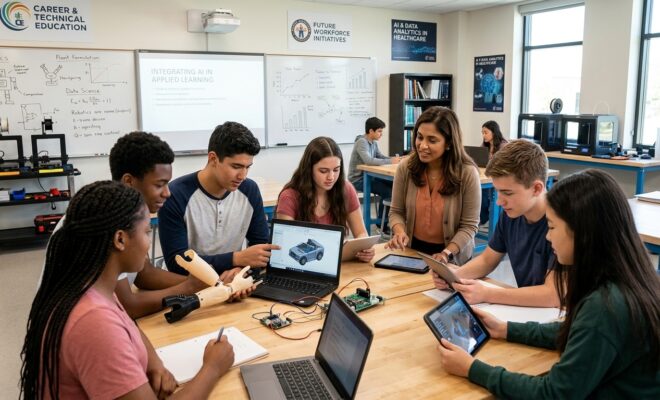
School districts are aggressively expanding Career and Technical Education programs to make learning more relevant. Vocational training is not seen as an alternative but modern curricula include industry aligned certificates along with regular curricula. Local industry is joining forces with high schools, giving students a chance to learn the fundamentals of data analytics, advanced manufacturing and health care before they finish school. This effort is part of a broader recognition that practical skill sets need to be accompanied with traditional academic theory to prepare youth for an evolving labor market.
But with curriculum changes come the rapid infusion of artificial intelligence into the fabric of daily classroom life. Initially, the technology created some debate about academic integrity, but administrators are now instituting formalized models of acceptable use. The use of AI tools is growing to personalize the pace of learning, assist teachers in lesson preparation and automate administrative work. This allows teachers to focus more on the teaching process itself, provided that they receive continuous training on how to use these digital technologies.
School operations have changed to focus on mental health and emotional wellness, more than technology. Across the country, districts are setting aside specific resources for full-time counselors, quiet reflection areas and social-emotional learning programs. Academic success and mental wellness go hand in hand, and school boards are proactively taking steps to teach students of all ages how to develop resilience and cope with stress.
The financial and policy headwinds are big at the post-secondary level. Changes in federal funding, adjustments to international student visa structures and changing demographics have forced universities to become more efficient. Many campuses are focusing on high-need areas, revisiting tuition models and reconfiguring academic offerings to be sustainable over the long term. These challenges are leading to a renewed focus on demonstrating clear post-graduation outcomes and aligning degree requirements with measurable career success.
In addition, teacher retention and workforce development continue to be high priorities in all states. To address the broad shortages, policymakers are trying out competitive pay, streamlined certification paths and mentorship programs for newcomers to the profession. School systems want to increase the status of the teaching profession and offer better working conditions to develop a stable, highly qualified workforce that can provide high standards of instruction.
As institutions of education respond to these realities of the present, the purpose is clear. Leaders across the country are striving to find a balance between technological innovation and equity, ensuring that students from all backgrounds receive a flexible, quality education that prepares them for the future.


0 comments