

Eco-friendly
Solar Panels Don’t Last Forever: What Happens When They Die?
With the world embracing green energy, solar energy is a top contender. However, while solar panels are celebrated for their ability to harness sunlight and convert it into electricity, they are not eternal. Environmental sustainability and good waste management depend on knowing what happens to solar panels when they’re done. It’s a big deal. We’ll look at the whole story of solar panels from start to finish, and the importance of recycling them.
The Lifespan of Solar Panels
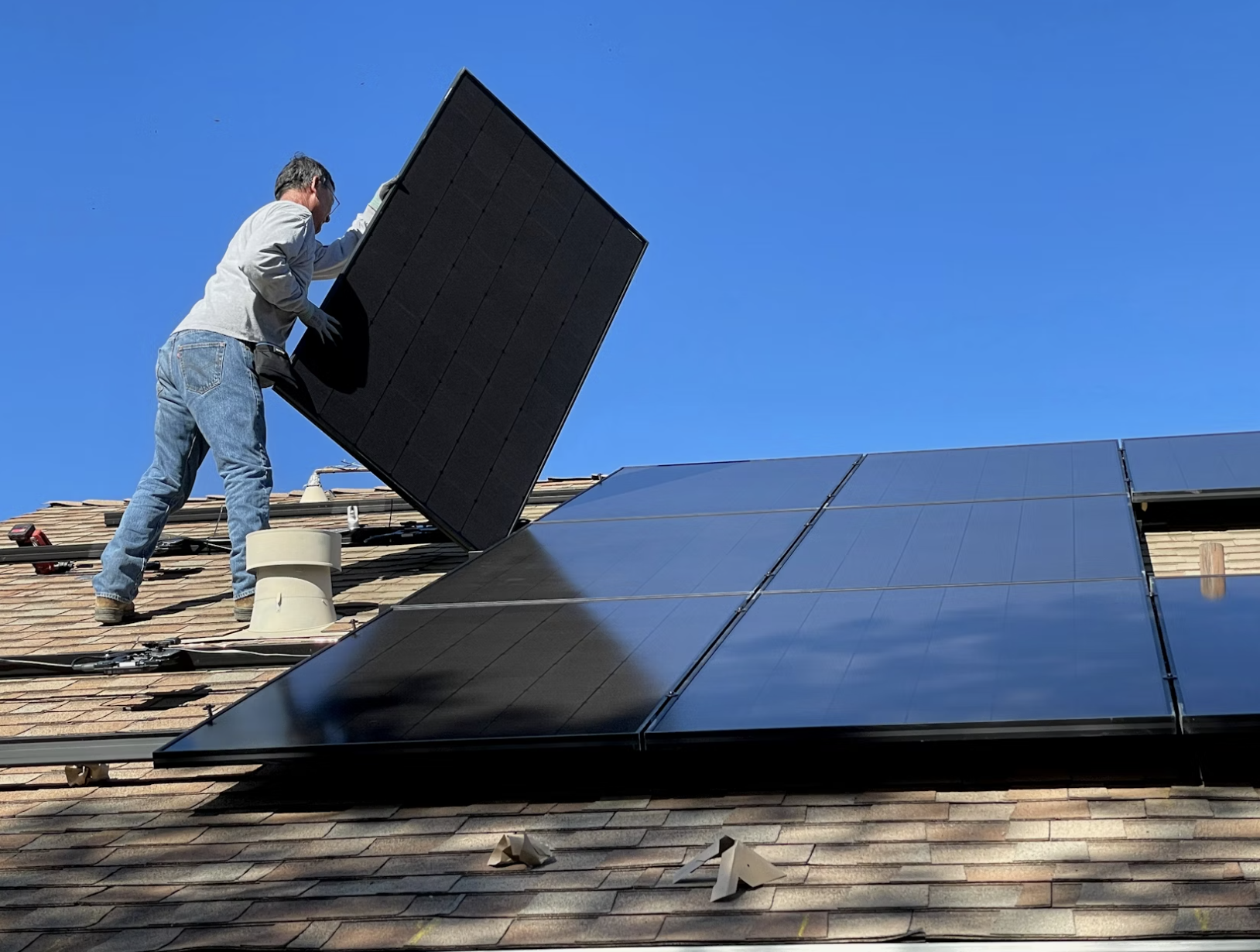
Solar panels are designed to last, typically between 25 and 30 years. However, this lifespan can vary based on several factors, including the quality of the materials used, installation practices, and environmental conditions.
Factors Affecting Longevity
- Material Quality: Durable and efficient solar panels are built with high-quality materials.
- Installation: Proper installation is crucial. Panels that are poorly installed may suffer from damage more quickly.
- Environmental Conditions: Extreme weather, such as hail, heavy winds, or prolonged exposure to moisture, can significantly impact a panel’s lifespan.
Efficiency Decline
Over time, solar panels experience a gradual decline in efficiency. On average, they lose about 0.5% to 1% of their output each year. After 25 years, a panel may still produce around 80% of its original capacity, but this can vary widely based on the factors mentioned above.
What Happens When Solar Panels Reach Their End of Life?
When solar panels reach the end of their functional life, they do not simply stop working. Efficiency drops, so owners start looking at replacements. The question then arises: what happens to these decommissioned panels?
Disposal Methods
- Landfilling: Unfortunately, a significant number of solar panels end up in landfills. Estimates suggest that only about 10% of panels are recycled, while the rest are discarded.
- Recycling: Recycling is a more sustainable option, allowing valuable materials to be recovered and reused. However, the current recycling infrastructure is not fully equipped to handle the anticipated influx of solar waste.
The Environment Is in Trouble And We Need to Act
Getting rid of old solar panels is tricky; they contain dangerous stuff. Some panels contain trace amounts of heavy metals like lead and cadmium, which can leach into the soil and water if not disposed of properly. Proper disposal and recycling are super important because of the risk of contamination.
Solar Panel Recycling Matters
We need to recycle solar panels; there are several key reasons why. Solar panels are composed of valuable materials, including:
- Glass: Approximately 76% of a solar panel is glass, which can be recycled into new products.
- Silicon: The primary component of solar cells, silicon can be reused in new panels.
- Metals: Copper, aluminum, and silver are also recoverable and can be repurposed.
They can conserve natural resources; simply by recycling, they reduce demand for new raw materials.
Reducing Landfill Waste
With millions of solar panels expected to reach the end of their life in the coming decades, effective recycling can significantly reduce the amount of waste sent to landfills. A healthy environment depends on us keeping solar power’s effect on the planet small. This is key.
Mitigating Environmental Risks
Proper recycling processes can prevent hazardous materials from contaminating the environment. Safeguarding both ecosystems and people is easy. All we have to do is make sure we dispose of panels correctly. Clean soil and water are the result.
Current Recycling Practices
While the need for solar panel recycling is clear, the current practices are still developing. Here’s an overview of the existing recycling methods:
Mechanical Recycling
This method involves shredding the panels to separate materials. While it effectively recovers glass and metals, it often results in lower-quality materials due to contamination from other components.

Chemical Recycling
Chemical processes can yield higher purity materials by breaking down the panels at a molecular level. The industry rarely uses these methods because they’re pricey and pretty involved.
Emerging Technologies
Innovations in recycling technology are underway. Solar panel recycling is getting a makeover! Companies are finding better ways to recycle them, making the whole process greener.
Regulatory Landscape
The regulatory framework surrounding solar panel disposal and recycling is still evolving. Currently, there are no comprehensive federal regulations in the U.S. governing the disposal of solar panels. However, some states have begun to implement their own policies.
- Washington: The state now has a new law: Solar panel makers must handle recycling.
- California: As a major solar market, California is exploring regulations to manage solar waste effectively.
Creating a standard process for recycling solar panels depends on these actions. Think of it like this: companies should be responsible for their products, even after you’re done using them.
The Future of Solar Panel Recycling
As the solar industry continues to grow, the volume of decommissioned panels will increase. Recycling presents a mixed bag: difficulties and exciting potential for change all rolled into one.
Anticipating Demand
With projections indicating that millions of tons of solar waste will accumulate, the recycling industry must prepare for this influx. Future recycling demands require investment in better technology and facilities; otherwise, we’ll fall behind. Think of it like this: a better recycling plant means more recycled materials.
Consumer Awareness
Raising awareness among consumers about the importance of solar panel recycling is vital. Recycling and proper disposal methods offer great advantages; homeowners and businesses alike should know their options.
Collaboration Across Sectors
Collaboration between manufacturers, recyclers, and policymakers is necessary to create a cohesive recycling ecosystem. Let’s get together and figure out the best ways to manage all those old solar panels!
Conclusion
The shift to renewable energy depends heavily on solar panels. However, their end-of-life management is a significant hurdle we must overcome. Think about all the toxic materials inside and how they could pollute the environment. Think about this: the lifespan of a solar panel and its proper disposal are really important. Recycling is the only way to make sure we have a green future. Responsible solar power means thinking about what happens to panels at the end of their life. Smart recycling and proper disposal help keep our planet healthy while we use the sun’s energy.


0 comments