
Law
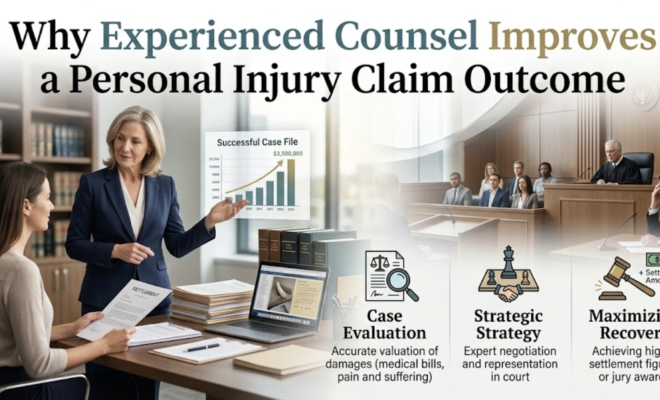
Why Experienced Counsel Improves a Personal Injury Claim Outcome
An important commercial and residential hub in western Connecticut, Waterbury is where busy roadways and active businesses contribute to everyday activity throughout the city. While most days pass without incident, accidents can happen anywhere. The National Safety Council reported more than 63 million preventable injuries requiring medical attention across the United States in 2023, the latest officially released national data, highlighting how common unexpected injuries continue to be.
Recovering fair compensation often depends on much more than proving an injury occurred. Building a strong claim requires careful documentation, timely action, and a clear understanding of the legal process. An experienced Waterbury injury attorney can help protect an injured person’s interests while working toward the best possible outcome for their circumstances.
Local Claim Insight
After a collision, fall, or unsafe property event, local procedures can shape what proof matters and when notices are due. An injury attorney reviews police reports, treatment chronology, witness names, premises facts, and insurer questions before positions harden. That local judgment helps injured people protect records, present causation plainly, and avoid statements that distort symptoms, recovery, or fault.
Evidence Starts Early
Important proof can disappear within days. Skid marks fade, cameras overwrite footage, and witnesses forget exact details. Counsel moves quickly to preserve photographs, incident reports, vehicle data, maintenance logs, and names of people who witnessed the harm that took place. Early evidence also links symptoms to the event, which insurers often challenge. A clear record narrows disputes before they grow.
Medical Records Matter
Medical records are more than billing paperwork. They show diagnosis, pain patterns, nerve symptoms, mobility limits, medication use, referrals, imaging results, and future care needs. Counsel helps injured people keep treatment consistent and records complete. Gaps in care may invite unfair doubt. Detailed notes explain how trauma changed work capacity, household tasks, sleep, and daily movement.
Fault Needs Proof
Liability is rarely accepted just because someone was hurt. A driver may blame weather, a store may deny notice, or a contractor may point to another trade. Counsel compares witness accounts, safety standards, photographs, repair history, and scene conditions. That review can reveal every responsible party. Clear fault analysis gives the claim firmer footing.
Damages Need Full Value
A fair settlement should account for more than the first hospital bill. Lost wages, therapy, surgical risk, reduced earning capacity, scarring, chronic pain, and home limitations may all matter. Counsel builds damages through medical records, employment documents, expert opinions, and practical detail. Without that work, a quick payment may leave future needs unpaid.
Insurers Protect Budgets
Insurance adjusters may speak politely, yet their duty is to limit payment exposure. They may ask broad questions, minimize delayed symptoms, or offer money before the prognosis is clear. Counsel manages those exchanges with evidence and discipline. That protection reduces the risk of harmful remarks and lets injured people focus on healing.
Deadlines Carry Risk
Personal injury cases involve filing periods, notice duties, record requests, and procedural steps. Missing one date can weaken leverage or end a claim. Counsel tracks deadlines, obtains records, preserves proof, and prepares filings before time becomes urgent. This matters when treatment continues for months or fault remains disputed. Timely action keeps legal options open.
Settlement Talks Improve
Negotiation depends on documented harm, clear liability, and a defensible valuation. Counsel compares each offer with medical costs, wage loss, future care, and the likely strength of proof. Low offers often arrive before the full extent of the injury picture is known. A prepared response shows the insurer that pressure will not replace evidence.
Trial Readiness Adds Weight
Most injury claims settle, but court preparation still affects value. Insurers assess whether a case can be proven through records, witnesses, expert testimony, and credible damages. Counsel builds that foundation from the beginning. Trial readiness matters because it gives the injured person a path beyond stalled negotiation or an unfair offer.
Communication Reduces Stress
Recovery is harder when bills, appointments, forms, and insurer calls arrive together. Counsel explains each step, gathers the required documents, and answers requests before confusion leads to mistakes. Clear communication helps injured people stay focused on medical progress. It also reduces risky decisions, such as signing broad releases or giving recorded statements too soon.
Conclusion
Experienced counsel improves a personal injury claim by strengthening proof, timing, valuation, and insurer communication. Those details matter because weak records and rushed decisions can reduce compensation. Legal guidance helps injured people explain what happened, who caused harm, and how physical losses changed daily life. With organized evidence and steady advocacy, a claim has a stronger chance of reaching a fair result.


0 comments