
Business
Why Surface Energy is the Most Important Factor in Vinyl Success
It is incredibly frustrating to invest in premium graphics only to watch them peel away from a surface within a few hours. Most people assume that the problem lies with the quality of the glue or the print itself during the initial installation.
The reality is that the chemistry of the substrate matters just as much as the decal being applied to the wall or the machine. Every material has a unique set of physical properties that dictate how it interacts with other substances in the environment.
Success depends on the specific physics of surface energy and how it influences the molecular bonding process for the long haul. Optimizing your vinyl adhesive performance requires a deep knowledge of how these invisible forces dictate the strength of the final connection for your brand.
Defining High Energy and Low Energy Substrates
High energy surfaces like glass and unpainted metals are generally very easy for a standard sticker to grab onto without any extra effort. These materials have a high degree of attraction that pulls the liquid glue into a tight and lasting bond.
Low energy surfaces like polyethylene and powder coated metals act more like a non stick surface that resists any outside connection. These plastics are stable and do not want to form new links with a foreign adhesive during the daily application.
Identifying these differences before the project starts is the only way to ensure that the material choice matches the environment for the brand. Failing to account for low energy plastics is the most common reason for a failed industrial installation in the city.
The Science of Wetting Out and Molecular Contact
Wetting out refers to how well a liquid adhesive flows across the surface to create a complete and uniform layer of contact. If the glue beads up like water on a waxed car, the bond will be weak and temporary.
Achieving a permanent structural bond requires the adhesive to spread out and touch every microscopic part of the underlying material for several hours. This process creates the friction and the grip needed to resist peeling or bubbling in the intense heat.
Proper application pressure helps to force the adhesive into the pores of the substrate to maximize the total surface area covered by the glue. A thorough bond is a result of time and physical force working together for a perfect and reliable result.
Overcoming the Challenges of Textured Materials
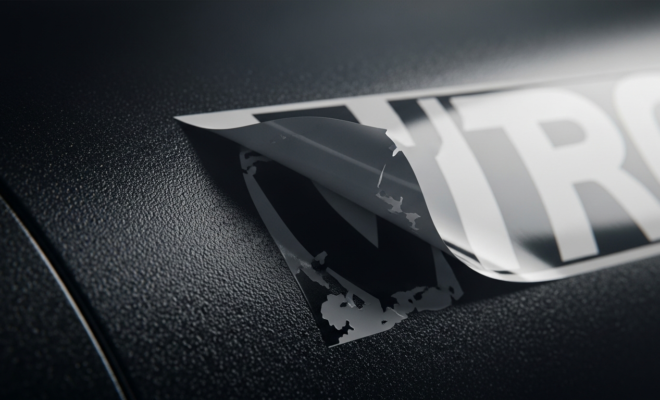
Textured materials like pebbled plastic or powder coated metals provide a unique challenge because they have very little flat area for a bond. The adhesive must be thick and flexible enough to flow into the tiny valleys of the surface.
Specialized high tack films are often required to overcome the lack of direct contact area found on these difficult and rougher surfaces. Standard vinyl will simply bridge across the gaps and eventually lift away as the temperature changes during the day.
Engineering for these specific textures ensures that the branding stays in place through the most demanding physical conditions found in a warehouse. Using the right tool for a textured job prevents costly failures and the need for expensive repairs.
Testing Surface Compatibility Before Installation
There are several practical methods to determine if a surface will accept a standard adhesive before committing to a full scale project. A simple water droplet test can reveal the energy level of the material based on how the liquid beads.
If the water stays in a tight ball, it is a clear sign that the surface has low energy and will likely reject any standard glue. A quick test with a sample piece of vinyl can also confirm if the bond is strong.
Taking the time to perform these checks saves thousands of dollars in wasted materials and labor costs for any growing business or campaign. Knowledge is the most effective way to avoid the frustration of a peeling decal on a new job.
Maximizing Long Term Bond Reliability
Realizing the power of the hidden forces of surface energy is the most direct path to ensuring that every graphics project is a complete success. It removes the guesswork from the process and allows for a more scientific approach to professional branding today.
By matching the adhesive technology to the specific chemistry of the substrate, a company can guarantee that their message remains visible for several years. This foresight prevents the expensive failures that often plague inexperienced installers who ignore the physics of the bond.
The future of high performance branding is found in the intersection of advanced materials and a deep respect for the surfaces they touch. Reliability is built on a foundation of technical knowledge and a commitment to quality in every single task.


0 comments