

Lifestyle
Let It Get Wild
Let’s get one thing straight—you didn’t start gardening or crafting because you wanted everything neat and tidy. You did it because you wanted to create. To get your hands dirty. To see something chaotic take shape, turn into something beautiful, and maybe even surprise you in the process.
This post is for you—the backyard rebel, the crafty visionary, the parent who lets the kids run wild with paint and petals. These five projects are meant to make a mess, on purpose. They’re bold, outdoorsy, and definitely not the kind of thing you do over your grandma’s lace tablecloth. But don’t worry—we’ll show you how to contain the chaos and maybe even turn it into something stunning.
1. Splatter Paint Pots With Petal Bombs
You’ve heard of splatter painting. But have you tried it with flowers?
Start by collecting flower heads—fresh or dried. Use a mallet or even your hands to crush them slightly so they’re ready to release their pigment. Dip them in natural dyes, watercolors, or even diluted acrylics. Then hurl them at terracotta pots or canvas boards set up in the garden.
The goal here is wild expression, not precision. Each burst creates a surprising shape—some abstract, some floral, all beautiful. When you’re done, let the whole thing dry in the sun, then spray with a fixative or matte sealer to lock it all in.
Mess Level: Medium
What It Teaches: Release, movement, and color exploration.
2. Mud Stencils & Shadow Imprints
Don’t shy away from mud. Use it.
Create simple cardboard stencils—leaves, birds, spirals, insects—and lay them flat on a large stone, wooden panel, or canvas drop cloth. Then splash mud across them. You can use your hands, a sponge, or even flick mud with a stick like you’re conducting a garden symphony.
Once you lift the stencil, you’ll see negative space where the mud didn’t hit. Let it dry, crackle, and cure. The effect is earthy, haunting, and totally organic.
Want to level up? Do this just before sunset, and photograph the pieces in golden-hour light. Shadow meets texture. Pure magic.
Mess Level: High
What It Teaches: Negative space, texture, and the art of layering.
3. Leaf Tornadoes & Wind-Led Collages
This one’s not for the faint-hearted—or the control freaks.
Here’s what you do: Collect dry, colorful leaves in a variety of shapes and sizes. Set up a large sheet of poster board or cardboard outside. Next, position your materials on the board—glue dots, tape strips, or just arrange them loosely.
Then, introduce an unexpected artistic assistant: a leaf blower.
Use it gently (low setting, angled approach) to scatter the leaves across the canvas. What sticks stays. What flies off becomes part of the next round. Do a few rounds until the piece has layers of randomness, rhythm, and movement. It’s like collaborating with the wind.
It’s also a great way to introduce kids to unpredictability in art—and to show them that not every masterpiece starts with a perfect plan.
Mess Level: Wild but manageable
What It Teaches: Letting go, movement in art, and mixed media surprise.
4. Sunprint Herbograms
Ever made prints using sunlight and herbs? If not, you’re in for a satisfying sensory experience.
Lay out a piece of cyanotype paper or sun-reactive fabric. Arrange various herbs—mint, rosemary, thyme, lavender—on the surface. You can leave them whole or bruise them slightly to release oils that can stain or imprint even more deeply.
Cover with a clear acrylic sheet or press between glass. Leave it in direct sunlight for 10–30 minutes, depending on the medium. When you remove the herbs, you’ll see ghostly imprints—some vivid, some faint. And yes, they’ll smell amazing while you work.
Use these prints for wrapping paper, wall art, or turn them into garden journal covers.
Mess Level: Low but fragrant
What It Teaches: Botanical structure, natural dyeing, and solar exposure in art.

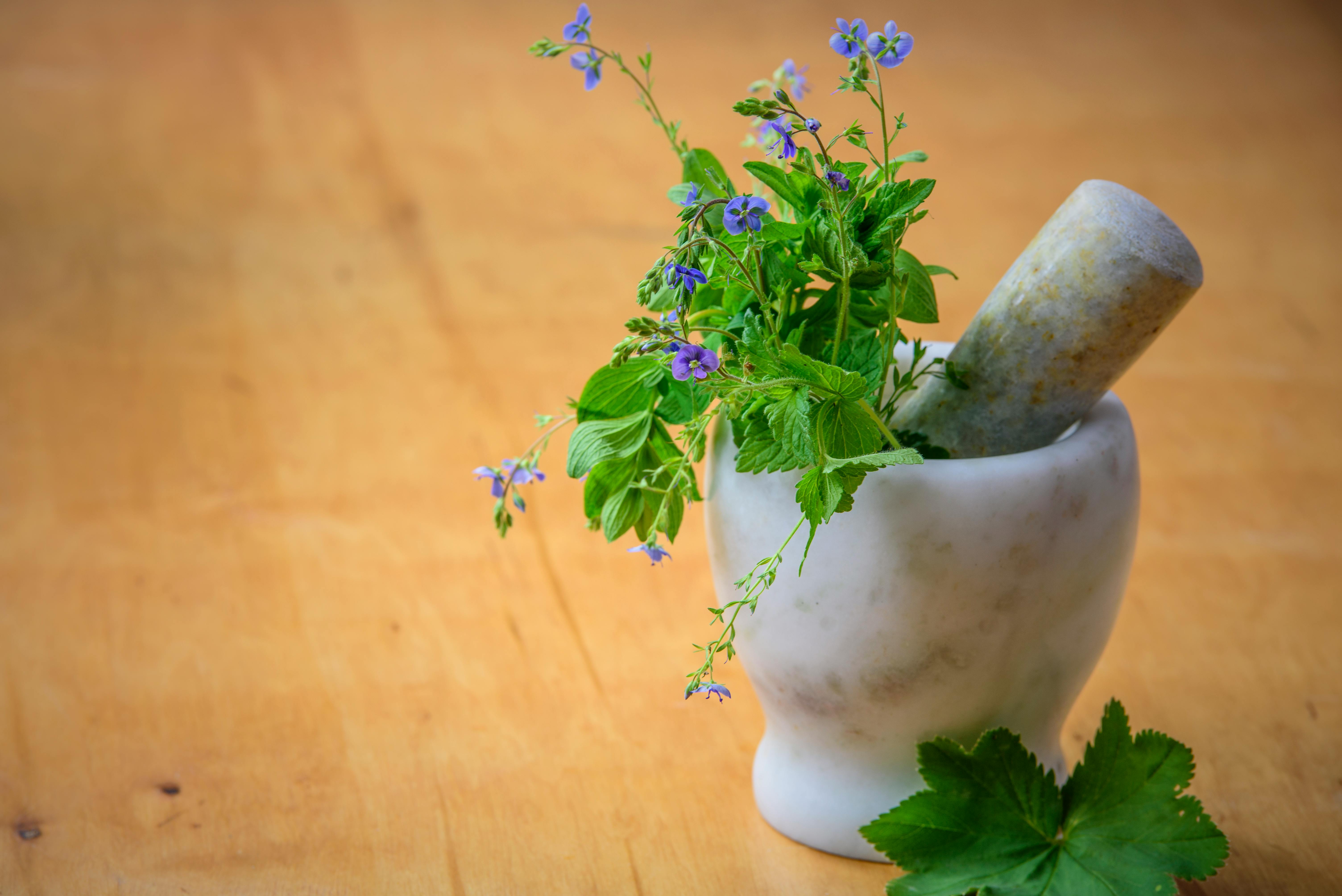
Via Pexels
5. Compost Collage: Art That Grows (Literally)
This project is equal parts sculpture, garden experiment, and metaphor.
Start with a wooden board, thick cardboard, or a clay slab. Lay down a paste of water and soil to make a sticky, gritty base. Then press in layers of compostable materials: coffee grounds, crushed eggshells, vegetable peels, shredded paper, wilted petals. You’re not just building a visual composition—you’re building life.
Leave it outside for a few days. Water it lightly. Watch it change, break down, and even sprout if seeds were involved.
This project makes you reconsider waste. And it’s the perfect closing ceremony to a season of outdoor crafting.
Mess Level: Intentionally grimy
What It Teaches: Decomposition, texture, and art as process, not permanence.
Clean Up or Let It Linger?
Not every mess needs to be erased right away. Some are meant to linger a little—stained hands, a splattered pot on the porch, or that one lone leaf stuck to your elbow.
But if you do want to clean up (especially if you’re hosting people or moving into a new project), use what you’ve got. Rinse off panels with a hose. Use old towels to blot and wipe surfaces. And for those dry leaf or flower explosions? That’s where your garden tools—yes, even the practical ones—come in handy.
You’ve got a vacuum for the house. You’ve got a broom for the kitchen. For your garden workshop, your leaf blower quietly becomes the unsung hero. It clears petals, dust, sawdust, and debris in seconds—without touching a single brushstroke of your latest creation.
Conclusion: The Beauty in the Mess
If you wanted clean lines and rules, you’d be painting inside the lines on a coloring book. But you’re here because you want to create something real, something tactile, something that makes you pause and say, “Wait, I didn’t expect that, but I kind of love it.”
Art isn’t just for studios. And gardening isn’t just for trimming hedges. The two can collide—in dirt, in paint, in wind—and make something that’s far from perfect, but entirely alive.
So go outside. Make a mess. And then decide if you want to keep it, compost it, or sweep it into something new.


0 comments