
Home Improvement
What Homeowners Get Wrong About AC Installation
Installing a new air conditioner is more complicated than simply purchasing the latest model, plugging it in, and hoping that cool air will appear in your house out of nowhere. The truth is that improper installation of air conditioners can result in uneven cooling, excessive energy costs, and needless wear and tear. The amusing aspect? Many of these errors are related to homeowners’ perceptions of their installation skills rather than the machine itself.
Thinking It’s Just About the Unit
One of the most prevalent misconceptions is believing the AC unit is the only thing that matters. Sure, a shiny new system looks great, but installation is much more than dropping it in place. Everything from ductwork to insulation to the size of your home plays a role in how well your unit performs. Therefore, working with a professional air conditioner installation you can count on is essential. Here are some common oversights homeowners should avoid:
- Forgetting about the duct condition or leaks.
- Ignoring insulation levels in attics or crawl spaces.
- Choosing a system based on price alone rather than performance.
Skipping the “Right Size” Conversation
Bigger isn’t always better. In fact, an oversized AC can short-cycle, meaning it cools the air too quickly, shuts off, and then starts up again moments later. This constant on-and-off wastes energy and wears down parts faster. On the flip side, an undersized unit will run endlessly, struggling to cool your home and leaving you sweating in frustration.
Many homeowners are dealing with higher bills and lower comfort just because of poor planning. So, what does correct sizing consider?
- Square footage of your home.
- Number of windows and their exposure to sunlight.
- Ceiling height and insulation levels.
- Local climate conditions.
Treating Placement Like an Afterthought
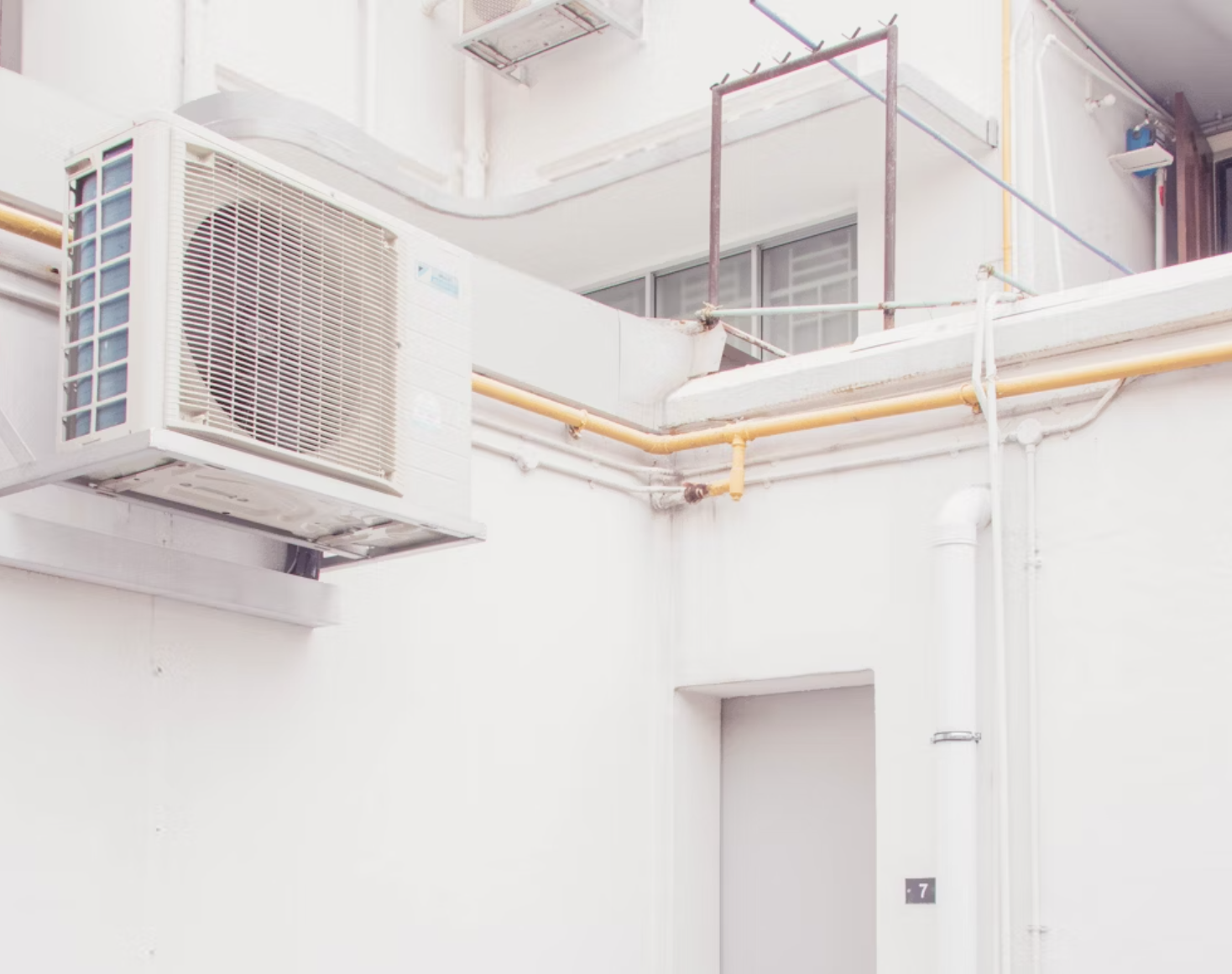
Another mistake is sticking the outdoor unit wherever it fits. Placement matters a lot. Being too close to a wall, under direct sunlight, or surrounded by bushes can force the system to work harder than necessary.

Best practices for placement include placing outdoor units in shaded, well-ventilated areas, indoor units away from heat sources (like ovens or lamps), and a clear space around both units to allow for airflow and maintenance.
Forgetting About Airflow
Even the most efficient air conditioner is useless if air can’t move properly through your home., Dirty ducts, blocked vents or poorly designed layouts all affect performance. Yet, many homeowners assume that air distribution will magically work itself out once the AC is in place. However, it does not.
DIY Installations Gone Wrong
It’s tempting to roll up your sleeves, watch a few online guides, and do the installation yourself. However, this project is best left alone unless you are a certified HVAC professional. If you try to install an AC yourself, things can go wrong fast. A wrong wire, mishandling the refrigerant, or missing a safety step can create real problems. Usually, it ends up meaning:
- Expensive fixes later
- Your AC wears out sooner than it should.
- Risky situations with electricity or chemicals.
Overlooking Long-Term Maintenance
Some people think they can forget about it once it’s installed. But a little care—like cleaning filters and checking the system regularly—keeps it running smoothly and helps it last much longer. Without it, you’re asking your AC to run a marathon in flip-flops.
A professional installer will walk you through maintenance schedules, filter replacements, and efficiency tips so your new investment pays off for years.
Stay Cool, Stay Smart
Setting up an AC isn’t just about taking it out of the box and flipping a switch. Where you place it, how big it is, and making sure the airflow works right—all that really matters. Skip the details, and you could end up with higher bills, a system that breaks down sooner, or a home that never feels properly cool.
Having someone who knows what they’re doing makes a world of difference. A sound installation means your AC actually works when you need it and keeps your home comfortable without any stress.


0 comments