
Health
Exploring the Importance of Preventive Healthcare
In the United States, much of the healthcare system is established to treat illnesses after they have presented. However, there is a growing emphasis on preventive healthcare, which attempts to stop diseases before they begin. This proactive model has significant benefits for both individual patients and the healthcare system as a whole. Chronic illnesses account for the majority of deaths and healthcare spending in the United States, which is why preventative care has never been more important.
What Is Preventive Healthcare?
Preventive healthcare refers to a wide variety of medical services and lifestyle interventions that focus on preventing sickness, the early detection of health issues, and risk factor management before they become significant problems. It is separated into three categories:
- Primary Prevention: Focuses on stopping illness before it begins. This includes immunizations, healthy diet recommendations, and smoking cessation programs.
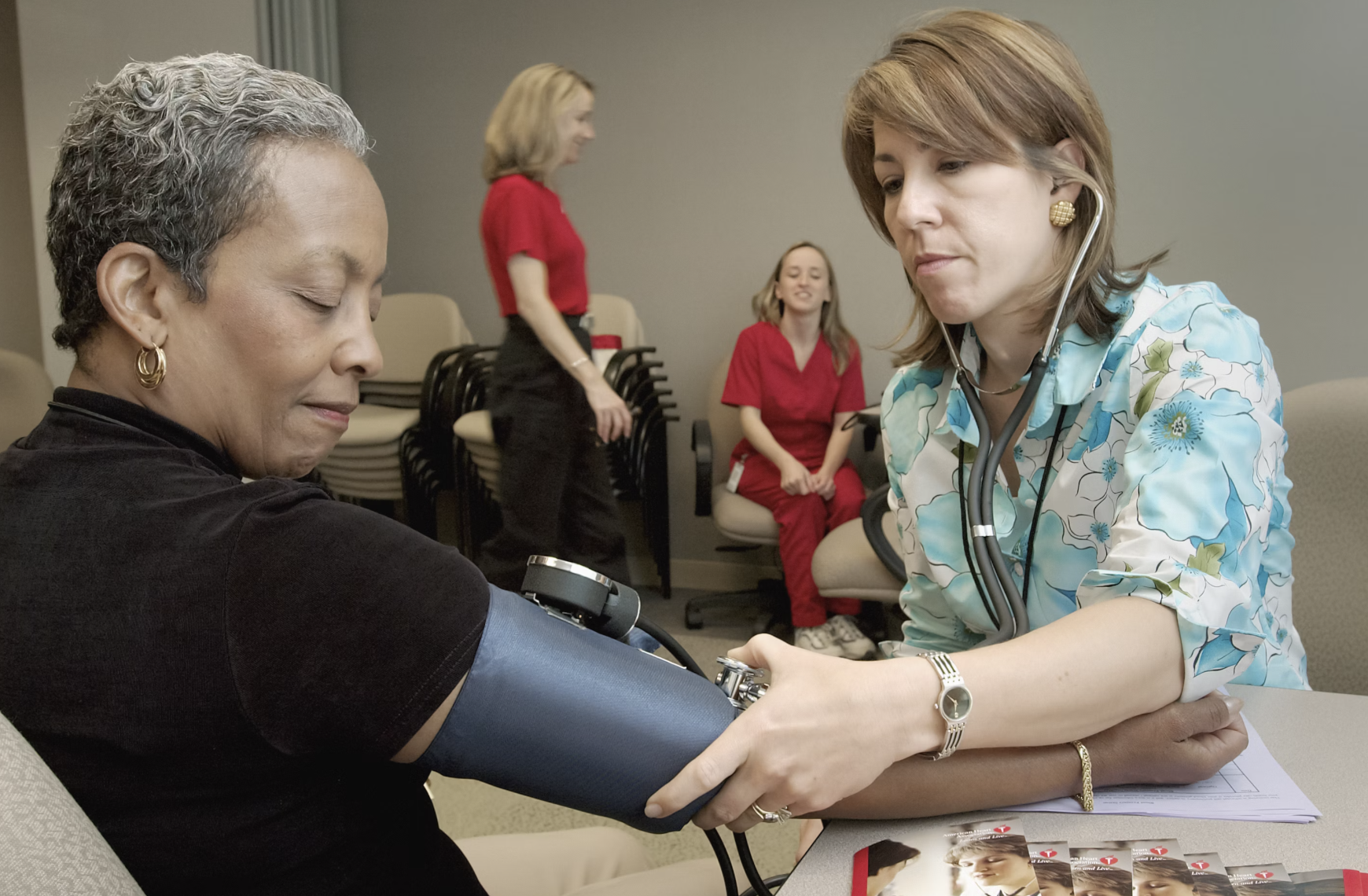
- Secondary Prevention: This measure targets the early detection of disease through screenings and routine exams such as mammograms, cholesterol checks, and blood pressure monitoring.
- Tertiary Prevention: Aims to reduce complications from existing conditions, such as through rehabilitation or long-term medication management for chronic illnesses.
By identifying and addressing risk factors early, preventive healthcare can lower the severity and expense of treating disease later in life.
What It Includes
Preventive care encompasses a variety of services and practices, many of which are now covered by health insurance providers under the Affordable Care Act. These include:
- Annual Wellness Visits: Routine physical exams that help monitor general health and identify early signs of illness.
- Health Screenings: Blood pressure, cholesterol, cancer screenings, and diabetes tests help detect conditions early.
- Vaccinations: Immunizations play a critical role in protecting against infectious diseases like influenza, COVID-19, and hepatitis.
- Lifestyle Counseling: Discussions with healthcare providers about diet, physical activity, tobacco use, and mental health can guide patients toward healthier choices.
- Prenatal and Pediatric Care: Preventive care for expectant mothers and children ensures developmental milestones are met and health issues are addressed early.
Nurse practitioners, such as those qualified through MSN FNP online programs, and primary care providers play a central role in delivering these services.
Why Is It So Important?
Preventive healthcare brings with it a host of benefits for individuals, communities, and the broader health system. Here are five major reasons it matters:
- Prevents or Delays the Onset of Chronic Diseases
According to the Centers for Disease Control and Prevention (CDC), six in ten Americans live with at least one chronic condition, such as heart disease, cancer, or diabetes. These illnesses are often preventable with early lifestyle changes and monitoring. Preventive care helps identify risk factors early and allows patients to make informed decisions about lifestyle changes or treatment before a condition becomes serious.
- Reduces Long-Term Healthcare Costs
Preventing disease is almost always less expensive than treating it. Data from the Trust for America’s Health shows that investing in community-based prevention programs can yield significant cost savings up to $16 billion annually with only a $10 per person investment. Early detection and management can avoid emergency care, hospital stays, and expensive specialist treatment.
- Improves Quality of Life
Healthy individuals tend to be more active, productive, and satisfied with their lives. Preventive care helps people maintain their physical and mental well-being, contributing to a higher quality of life. By addressing issues early, patients are more likely to avoid complications that can reduce their independence or limit their activities.
- Strengthens Public Health and Health Equity
Preventive healthcare plays a key role in improving health outcomes across underserved communities. Programs that offer screenings, education, and outreach help close gaps in access and outcomes. Mobile clinics and school-based health services, for example, can bring preventative care to rural and low-income populations who might otherwise go without it.
- Promotes Patient Empowerment and Education
Preventive healthcare encourages individuals to take a more active role in their own well-being. Patients who engage in regular checkups, ask questions, and understand their risk factors are better equipped to manage their health. This collaborative approach improves patient-provider relationships and often leads to better health decisions and outcomes.
This active role in one’s health extends to making informed choices about personal protection in daily life. For instance, in environments with poor air quality or high levels of airborne particles, wearing a certified P2 face mask is a proactive measure that can significantly reduce the inhalation of harmful substances and safeguard respiratory health.
Embracing a Culture of Prevention
The American healthcare system continues to face challenges related to cost, access, and chronic disease management. Preventive healthcare offers a promising solution to many of these problems. By shifting the focus from treatment to prevention, we can build a healthier society, reduce financial strain on families and the healthcare system, and ensure more equitable access to care.
Technology will also play an important role in making preventive healthcare more accessible. Wearable devices, telehealth platforms, and mobile health apps are helping patients monitor their health in real time, while data analytics and artificial intelligence enable providers to identify risks earlier than ever before.
Effective preventive care ultimately depends on having a qualified, compassionate healthcare workforce. Family Nurse Practitioners are key to making preventative services widely available, particularly in primary care settings. By investing in advanced nursing education and training, we can ensure that more communities benefit from this proactive approach to health.

Creating a Healthier Future for All Americans
Preventative healthcare is not just about avoiding illness, it’s about creating a foundation for long-term well-being. By prioritizing early detection, routine care, and healthy lifestyles, we can significantly improve health outcomes, reduce costs, and enhance quality of life for millions of Americans. Embracing a preventative model requires commitment at every level.


0 comments