

Cars
The Technology Behind Smooth and Consistent Driving Power
Think about a truly smooth car ride. The power feels constant. The acceleration is linear. There is no jerking. There is no surging. It just goes. This experience is not accidental. It is a deliberate engineering triumph. Many systems work together. They create that seamless feeling of control. The technology behind smooth power delivery is fascinating. It involves both mechanical harmony and digital intelligence.
The Heart of the Matter: Internal Balance
A smooth power foundation starts with the engine. Engineers strive for perfect internal balance. Vibration is the enemy of smoothness. Consider the 3.6 Chevy engine as an example. This V6 uses specific design principles. Its sixty-degree vee angle is inherently balanced. It employs a balance shaft. This shaft rotates counter to the engine’s movement. It cancels out unwanted vibrations. Refined components like direct fuel injection also play a role. They allow for precise fuel metering. This precision leads to cleaner and more consistent combustion pulses. The result is a steady power output. You feel this as a smooth, quiet pull.
The Clever Middleman: The Transmission’s Role
The engine’s power must reach the wheels. The transmission is the critical link. Older transmissions could disrupt flow. Gear shifts meant a sudden jerk. Modern automatic transmissions change the game. They have more gears. Eight, nine, or ten speeds are common. This allows for smaller, smoother steps between gears. The shift timing is controlled by computers. These computers monitor your throttle input. They monitor your speed. They choose the perfect moment to shift. The transition is often imperceptible. Continuously Variable Transitions, or CVTs, take this further. They have no gears at all. They use a pulley system. This system provides an infinite number of ratios. The engine can stay at its optimal speed. Power delivery becomes one continuous, unbroken band.
The Digital Conductor: Engine Management
A tiny computer is the true maestro. It is called the Engine Control Unit, or ECU. This unit makes countless calculations every second. It adjusts the engine’s performance in real time. It reads data from many sensors. It knows the air temperature. It knows the throttle position. It even knows the engine’s exact rotational speed. The ECU uses this information. It commands the fuel injectors. It commands the spark plugs. The goal is flawless combustion for every single cylinder firing. This minute-by-minute management ensures consistent power. It adapts to hills. It adapts to your gentle or heavy foot. The engine always performs at its best.
The Silent Partner: Advanced Suspension Systems
Power means nothing without control. The suspension manages the power’s effect. A stiff suspension can make power feel harsh. A soft one can cause awkward squatting. Modern systems find a middle ground. They use sophisticated dampers and spring rates. These components manage the vehicle’s weight transfer. They prevent the car from dipping back dramatically during acceleration. This keeps the tires firmly planted. Good contact with the road is essential. It allows the smooth power to translate into smooth motion. You accelerate. The car moves forward, not downward.
The Direct Link: Drive-by-Wire Throttle
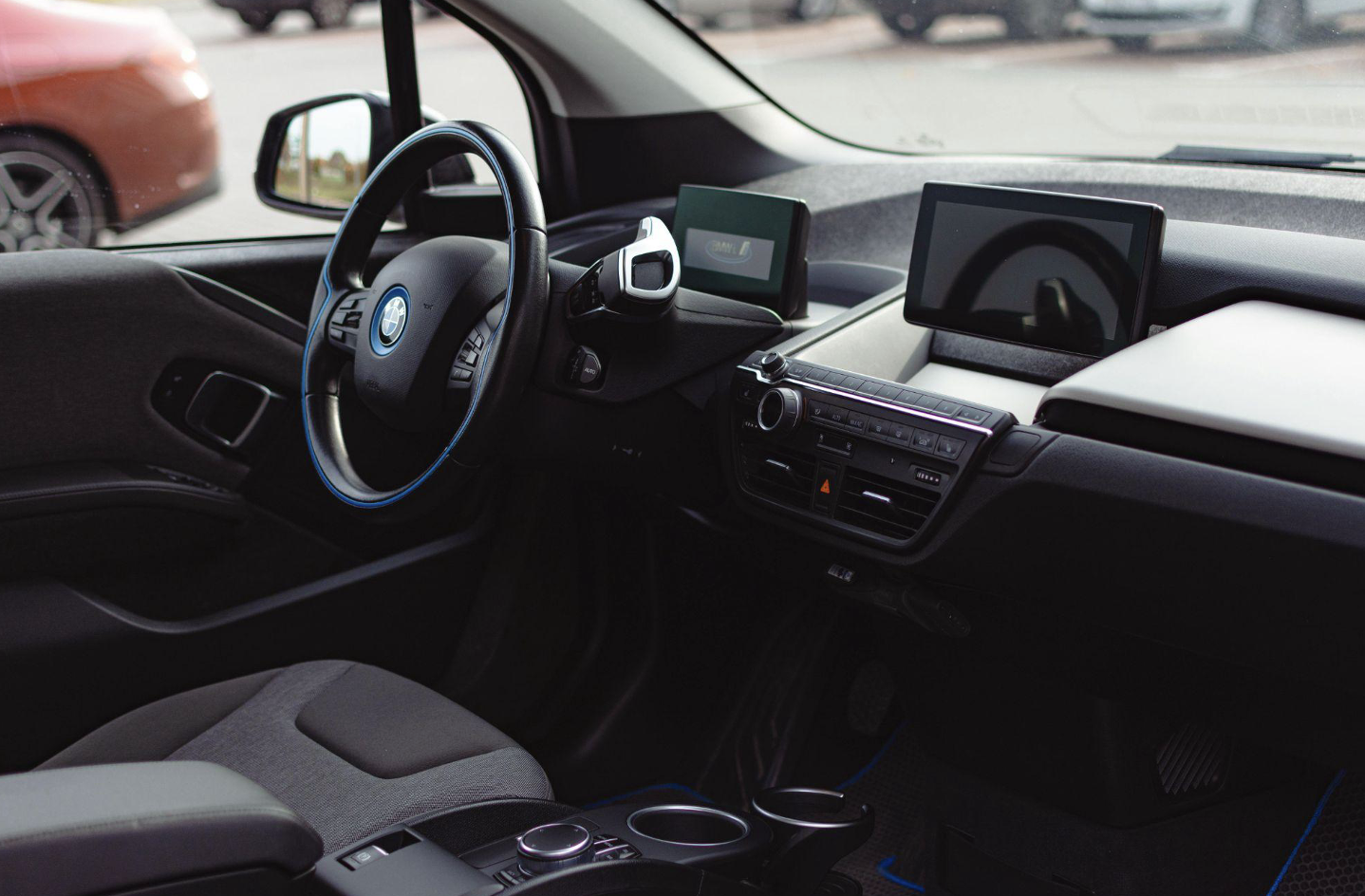
Remember the physical cable in old cars? You pressed the pedal. A cable pulled the throttle open. It was a crude mechanical link. Modern cars use “drive-by-wire.” You press the pedal. A sensor reads its position. It sends an electronic signal to the ECU. The ECU then commands the throttle to open. This sounds indirect. But it allows for smart tuning. The system can smooth out your inputs. It can make the throttle response progressive. It removes the jerkiness of a sudden pedal stab. The connection feels natural and linear.
The Integrated Goal: Harmonious Tuning
The final secret is integration. These systems cannot work in isolation. Engineers tune them to work as one unit. The engine’s torque curve must match the transmission’s shift points. The throttle response must feel connected to the suspension’s behavior. This tuning takes months. It involves countless test drives on different roads. The goal is a single, unified feeling. The car should feel like one cohesive machine. Every part talks to the other. They work toward the common goal of smoothness.
Even the smoothest car cannot rule out a crash. A heavy truck changes everything. The mass is greater. The stopping distance is longer. The damage is severe. Anyone hurt in one of these collisions often works with a truck accident lawyer to sort out medical bills and lost wages. These cases involve commercial insurers and federal driving logs, so the paperwork runs deeper than a standard fender bender.
Smooth driving power feels simple. It is actually highly complex. It comes from balanced mechanical design. It comes from smart computing. It comes from careful system integration. This technology works quietly in the background. It turns raw power into refined motion. It turns a simple drive into a serene experience. You notice it most when it is gone. In a well-engineered car, you only feel the calm.


0 comments