
Sport
Why Youth Basketball is a Game Changer for Early Child Development
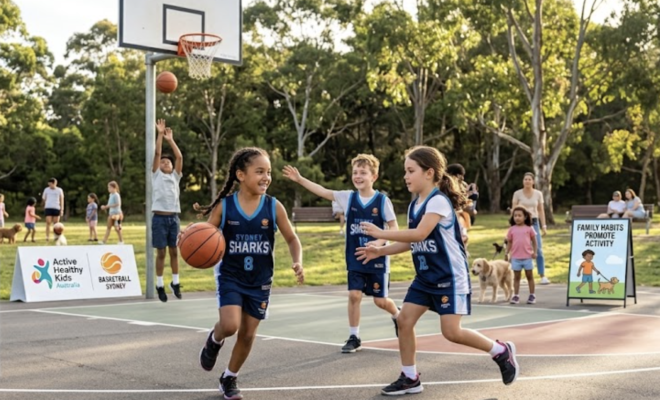
Getting children to stay active is becoming a significant challenge for many Australian parents. Recently, the Active Healthy Kids Australia Report Card graded the nation a concerning D minus for overall physical activity. With only about one-quarter of children meeting the national health guidelines of 60 minutes of moderate to vigorous exercise every day, finding engaging fitness routines is more critical than ever. Everyday habits at home play a great foundational role. For instance, routines like walking a pet are wonderful for getting kids moving, and research shows that a family dog promotes childhood development by encouraging active living and psychological well-being. However, transitioning from casual outdoor play to structured team sports takes these physical and mental benefits to an entirely new level.
The Physical Benefits of Hitting the Court
Among the sports available to young athletes, basketball is quickly becoming a national favourite. According to AusPlay data, basketball ranks as Australia’s second-highest team participation sport with over 1.3 million players nationwide. More than 320,000 children aged up to 14 participate in organised out-of-school programs. The sport is experiencing explosive popularity, particularly in New South Wales, where formal player membership has grown by 48 percent over the past six years. Families are recognising that team environments offer unmatched developmental value. For local parents wanting to establish a supportive, energetic environment for their kids, researching the top basketball clubs Sydney has to offer is an excellent actionable step.
Early basketball training directly supports the development of complex gross motor skills. Young children learn to simultaneously run, jump, and improve their hand-eye coordination. Dribbling a ball while moving requires intense focus and coordination that translates into everyday dexterity. These structured youth programs improve foundational body control, enhancing a child’s agility, balance, and physical precision. When children learn to rapidly change directions on the court, they build physical resilience and spatial control. These foundational movement skill competencies are linked to better physical adaptability and lower future injury rates as children grow.
Cognitive and Emotional Growth
Beyond physical fitness, participating in a fast-paced game requires quick thinking. Engaging in team sports between the ages of three and seven lays crucial groundwork for cognitive development. Young players are continually prompted to navigate spatial awareness, predict the movements of others, and make split-second decisions alongside teammates. The mental stimulation of remembering rules, listening to a coach, and anticipating where the ball will go next exercises the brain just as much as the body.
Furthermore, the mental health benefits are substantial. Playing organised sports supports children’s emotional well-being by releasing neurotransmitters that make them feel better, while also teaching crucial life skills like emotional control, resilience, and patience, as detailed in government resources on developing life skills through sports. Learning how to bounce back from a missed shot or a lost game teaches kids how to process disappointment constructively. These moments of adversity, handled in a safe and supportive team environment, build the grit and mental fortitude necessary for adult life.
Key Developmental Advantages of Team Sports
Australian parents invest an average of 551 dollars annually to keep their children engaged in organised basketball. This commitment makes perfect sense when you look at the holistic benefits. Introducing children to basketball early provides several core advantages that extend far beyond the court:
- Improved Social Skills: Children must interact with peers of the same age, follow specific instructions from coaches, and navigate teamwork. This constant communication builds confidence and helps them form strong friendships.
- Lifelong Healthy Habits: Data from the Australian Sports Commission highlights that youth sports participation naturally decreases as children reach adolescence. Early introduction is critical for establishing a positive baseline relationship with exercise.
- Increased Female Participation: The sport is highly inclusive. Youth participation among girls and women has jumped by 25 percent since 2022, driven partly by targeted community initiatives and the success of national teams.
- Greater Independence: Being part of a team requires kids to take responsibility for their equipment and attendance, fostering a strong sense of early independence.
Youth basketball is much more than a fun weekend activity. It is a powerful catalyst for early child development that addresses both the physical inactivity crisis and the need for strong social foundations. Whether a child is just learning to bounce a ball or is preparing for their first big tournament, the lessons learned on the court are invaluable. By providing a structured, engaging, and active environment, basketball equips young Australians with the essential skills they need to thrive both socially and academically.


0 comments