
Cars
Simple Ways to Keep Your Family Car Cool and Protect the Interior
Getting into a vehicle that has been baking in the sun is an uncomfortable experience that every driver knows too well. The intense heat radiates from the seats, the steering wheel burns to the touch, and the air conditioning takes agonizing minutes to finally provide relief. Whether you are commuting to the office, running daily errands, or embarking on a long summer road trip, the state of your cabin dictates your overall comfort. However, managing the climate inside your vehicle is not just about avoiding a sweaty commute. Proactive temperature control and UV protection are essential for safeguarding your family’s health and preserving the expensive materials inside your cabin.
The Hidden Dangers of Cabin Heat and UV Rays
When a vehicle is parked outside, the glass windows create a greenhouse effect that traps heat incredibly fast. According to safety experts at the National Safety Council, temperatures inside vehicles can reach life-threatening levels even on mild or cloudy days, and leaving windows slightly open does not help. This rapid temperature spike poses a serious hazard to any passengers left inside, particularly young children and pets, who are much more vulnerable to heatstroke.
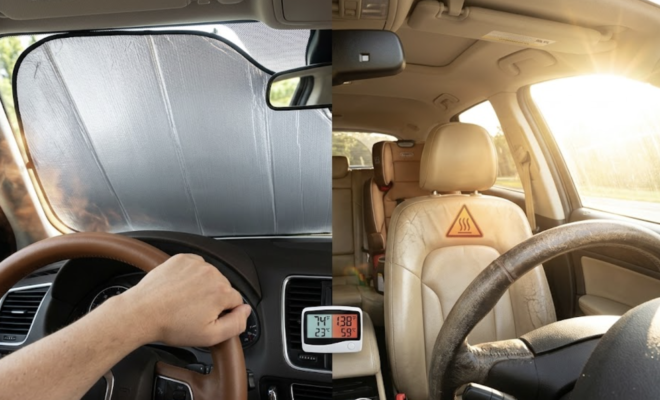
Data from the American Automobile Association shows that on a 90-degree day, a car interior can quickly exceed 130 degrees Fahrenheit within just sixty minutes. This extreme heat not only strains your air conditioning system upon startup but also accelerates the breakdown of automotive plastics, electronics, and leather upholstery. Over time, recurring heat exposure leads to irreversible cracking and fading.
Furthermore, drivers often underestimate the impact of ultraviolet radiation during their daily commutes. While standard laminated front windshields block roughly 96 percent of UVA rays, untreated side windows typically block only about 71 percent. This leaves passengers, especially children with sensitive skin, vulnerable to cumulative sun exposure. Medical studies have even found that a majority of melanoma cases in the United States occur on the left side of the body, which heavily correlates with driver-side window exposure.
Choosing the Right Protection for Your Windows
Creating a physical barrier between the sun and your interior is the most effective way to manage these risks. The Skin Cancer Foundation routinely recommends using UV-protective window barriers as essential daily equipment to block harmful solar radiation from entering the cabin. When comparing window accessories, investing in premium folding sun shade cars provides superior coverage and durability compared to flimsy suction-cup models. High-quality barriers are custom-fitted to your specific windshield dimensions, ensuring that no stray light creeps through the edges.
A high-quality shade blocks the vast majority of ambient UV radiation before it has the chance to heat up the dashboard, keeping the overall cabin temperature significantly lower. This small investment in exterior window coverage pays massive dividends during peak summer months by keeping the steering wheel cool and reducing the load on your climate control system.
Preserving Your Vehicle’s Long-Term Value
Protecting your interior from extreme heat does more than just keep you comfortable. It is also a smart financial strategy. Prolonged UV exposure causes photodegradation, a process that dries out leather, cracks dashboard materials, and can even warp internal circuit boards behind modern touchscreens. Automotive industry studies indicate that this type of cosmetic and structural sun damage can decrease a car’s overall resale value by up to 10 percent.
With the average new car depreciating by approximately 55 percent within its first five years, maintaining pristine cabin aesthetics is highly recommended for modern vehicle owners. Beyond just providing comfort, shielding your interior from intense heat and UV rays is a critical step in keeping your car looking like new, which ultimately helps preserve its long-term value. Consistent interior care ensures your vehicle remains an appealing asset on the secondary market.
Keeping the cabin free of sun-faded surfaces is vital for securing maximum trade-in value later on. Dealerships meticulously inspect dashboard integrity and upholstery condition when evaluating a used vehicle. A dashboard riddled with sun cracks or seats that have lost their original color can lead to hundreds, if not thousands, of dollars in deductions during an appraisal.
Daily Habits for a Cooler Car
Combining the right accessories with smart daily habits is the best approach to temperature management. Automotive detailing professionals emphasize that consistent preventative care is the most cost-effective defense against permanent material deterioration. Consider adopting these simple strategies to keep your vehicle cool and protected:
- Seek Out Shade: Whenever possible, park your vehicle under a tree, in a parking garage, or beside a tall building. Even partial shade drastically reduces the initial heat load on your vehicle.
- Use Protective Treatments: Apply UV-resistant conditioners to your leather seats and vinyl dashboard components. These products moisturize the materials and provide a sacrificial layer against sun damage.
- Cover Your Seats: If you park outside for long hours at work, drape a light-colored cloth over dark leather seats or steering wheels. This prevents the dark materials from absorbing and retaining high heat.
- Ventilate Before Driving: Before turning on the air conditioning, open all the doors for a few seconds to let the trapped hot air escape. This reduces the initial workload on your cooling system and improves overall fuel efficiency.
Taking a few extra seconds to implement these protective measures will transform your daily driving experience. By staying mindful of where you park and utilizing the right sun-blocking tools, you can ensure a safer, cooler ride for your family while keeping your vehicle in excellent condition for years to come.


0 comments