
Business
Experiential Marketing Events: Creating Memorable Brand Experiences That Drive Engagement
Today’s consumers are surrounded by advertising across nearly every channel, making it increasingly difficult for brands to stand out. Rather than relying only on traditional promotions, many organizations are turning to experiential marketing events that allow people to interact directly with a brand. These experiences create meaningful connections by encouraging participation, storytelling, and memorable moments that extend well beyond the event itself. Exhibitus specializes in designing and producing immersive brand experiences that help organizations engage audiences in authentic and impactful ways.
What Are Experiential Marketing Events?
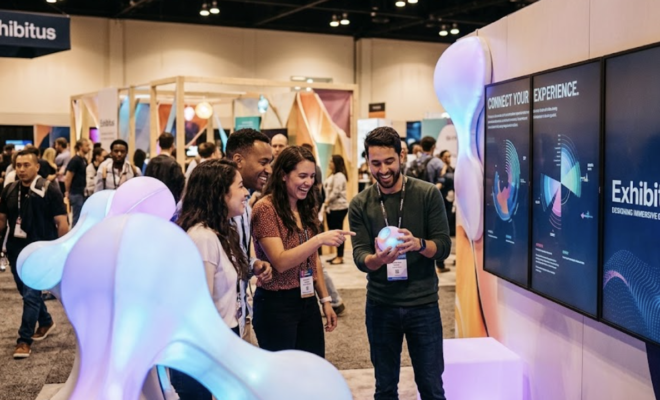
Experiential marketing events are live or virtual activations designed to immerse people in a brand rather than simply presenting a marketing message. Instead of watching an advertisement, attendees become active participants through hands-on demonstrations, interactive technology, creative installations, or live experiences.
These events can support a variety of business objectives, including:
- Building brand awareness
- Launching new products
- Strengthening customer relationships
- Increasing audience engagement
- Generating qualified leads
By creating experiences people remember, brands have an opportunity to leave a stronger and longer-lasting impression.
Why Experiential Marketing Continues to Grow
Consumers often remember experiences more vividly than traditional advertisements. Interactive events allow people to see, touch, and experience a product or service firsthand, making brand messages more meaningful.
Well-planned experiential marketing events can help businesses:
- Encourage authentic customer interactions
- Build emotional connections with audiences
- Differentiate themselves from competitors
- Increase social media engagement through shareable moments
- Create stronger brand recall
When attendees actively participate, they are more likely to remember the experience and associate those positive interactions with the brand.
Popular Types of Experiential Events
Experiential marketing can take many forms depending on a company’s objectives and target audience.
Some common event formats include:
- Product launch events
- Pop-up experiences
- Interactive brand activations
- Trade show exhibits
- User conferences
- Mobile marketing tours
- Virtual and hybrid experiences
Each format offers opportunities to engage audiences in different ways while supporting specific marketing goals.
Elements of a Successful Brand Experience
While every event is unique, successful experiential campaigns often share several important characteristics.
Interactive Participation
The most memorable events encourage attendees to become part of the experience rather than simply observing. Product demonstrations, hands-on activities, and interactive displays help create stronger engagement.
Meaningful Storytelling
Every successful activation tells a story. From the event design to attendee interactions, each element should reinforce the brand’s message and purpose in a way that feels natural and memorable.
Personalization
Experiences become more meaningful when they feel tailored to individual attendees. Personalized interactions can increase engagement while creating stronger emotional connections with the brand.
Shareable Moments
Events designed with social sharing in mind can extend their reach well beyond attendees. Interactive installations, creative photo opportunities, and memorable activations often encourage user-generated content across social media platforms.
Planning an Experiential Marketing Event
Successful events begin with careful planning and a clear understanding of business objectives.
Important planning steps include:
- Defining measurable goals
- Understanding the target audience
- Developing a creative concept
- Coordinating logistics
- Selecting the right technology
- Promoting the event before launch
- Measuring results after completion
Careful preparation helps ensure every element supports the overall purpose of the event while creating a seamless attendee experience.
Measuring Event Success
An experiential campaign should be evaluated using metrics that align with its original objectives. Depending on the event, organizations may monitor:
- Attendance
- Audience engagement
- Lead generation
- Social media activity
- Brand awareness
- Customer feedback
- Post-event conversions
Reviewing these results helps businesses understand what worked well and identify opportunities for future improvements.
The Importance of Post-Event Engagement
The attendee experience does not end when the event concludes. Following up with participants helps extend the value of the activation and strengthen ongoing relationships.
Post-event strategies may include:
- Follow-up emails
- Event recap content
- Customer surveys
- Social media engagement
- Lead nurturing campaigns
Continuing the conversation allows brands to build on the connections established during the event itself.
Creating Experiences That Leave a Lasting Impression
Successful experiential marketing events do more than showcase products or services. They create opportunities for meaningful interaction, memorable storytelling, and authentic connections between brands and their audiences. Whether through product launches, trade shows, pop-up activations, or immersive installations, thoughtfully designed experiences can increase engagement, strengthen brand perception, and create lasting value long after the event has ended.


0 comments