
Pets
Best Pets for Kids: Top Animal Companions for Families
When you choose a new pet for your family, you need to think about how the animal’s personality will work with your kids’ age and energy level. A good friend teaches responsibility and empathy and will be there for you for years to come. No matter how big or small your backyard is, there is a type of plant that will do well in it.
When you bring a new family member home, the most important things to think about are safety and how easy it will be to care for them. High-energy dogs are often the best choice for families that are active, but smaller animals like guinea pigs are a better choice for younger kids who are still learning how to interact with animals. Watching how a child does simple tasks can help you figure out if they are ready to be a lifelong friend.

Knowing how things work in the house
Before you bring an animal home, you should think about how your family spends its days. If you have an active family that likes to spend time outside on the weekends, a strong dog breed might be the best choice because the dog can go on hikes and to the park with you. On the other hand, a family with a busy schedule that includes after-school sports and long work hours might want a pet that doesn’t need constant supervision or multiple walks a day, like a cat or a small bird.
Space is another important limit that affects the health of the animal and the happiness of the kids. Big dogs need space to move around, but small pets can be happy in vertical cages or tanks. You should also think about any allergies that might happen. To avoid the dander problems that come with regular furry pets, many parents choose hypoallergenic breeds or even reptiles and fish.
Small mammals are good first pets
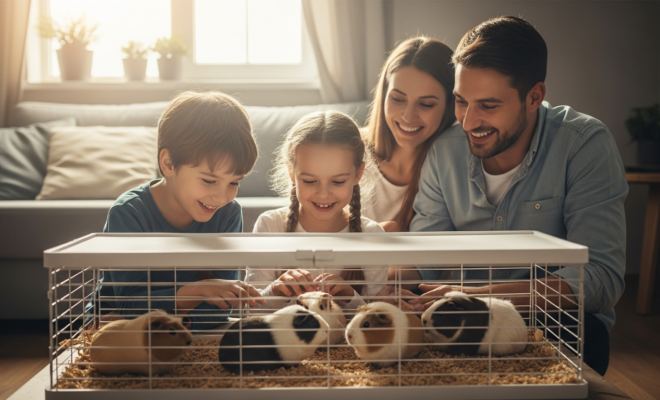
For a lot of parents, getting their first pet is a small mammal. Guinea pigs are often said to be the best pets for young kids because they are usually calm and don’t bite when you handle them right. Guinea pigs are more like kids because they wake up and go to bed at the same times as kids do. Hamsters, on the other hand, are nocturnal and can be nippy when they wake up during the day. They are social animals that do well when they are around other people. This makes them great pets for kids who want to talk to and feed them.
Rabbits are another popular choice, but they need a little more specialized care. They are smart and can even be trained to use the litter box, which makes them great pets for the home. But their bones are fragile, so kids need to be taught to sit on the floor when they hold them so they don’t drop them. These smaller animals are a great way for kids to learn how important it is to give them fresh water and clean bedding every day.

Why Dogs and Cats Are Still So Popular
Kids still want dogs as pets the most because they form such strong emotional bonds with them. Golden Retrievers and Labradors are two breeds that are known for being patient. They are also great at dealing with the busy energy of a home. A dog can be a child’s best friend, a protector, and a playmate all at the same time. But the commitment is big, usually lasting at least fifteen years, and the adults in the house are usually the ones who have to take care of the kids.
Cats are a different but just as rewarding experience. They are great for kids who like a more subtle way of showing love. Because cats are independent, their owners don’t have to do as much physical work as they do with dogs. Instead, they provide comfort by purring and being quiet. Teaching a child to respect a cat’s space is a good way to teach them about consent and how to communicate without words.
Friends Who Are Cold-Blooded and Don’t Need Much Care
Fish and reptiles are great choices if your family wants to do something different that doesn’t make a lot of mess. An aquarium that is well taken care of can be the main feature of a child’s room and help them relax before bed. Bearded dragons and other reptiles are known for being calm and easy to handle, so they might be a good choice for people who want to do something more “hands-on.” These pets are great for kids who are interested in biology and the natural world.
No matter what choice is made, bringing an animal into the house is a big deal. It changes the focus from oneself to the needs of another person. Parents can make sure that their child and pet get along by choosing an animal that fits their family’s way of life. This is good for both the child’s development and the pet’s health.


0 comments