
Health
Is CALECIM® Worth Trying Before a Hair Transplant Procedure?
If you want to try a non-surgical option before undergoing a hair transplant, CALECIM® Professional may be worth considering. It is best suited to people with early thinning, shedding, reduced density, or slowing hair growth rather than completely inactive bald areas.
A hair transplant redistributes existing follicles, while regenerative scalp treatments are designed to support the hair follicles. For some people, trying a stem cell hair routine before surgery may help clarify whether non-surgical management is still realistic before committing to a procedure.
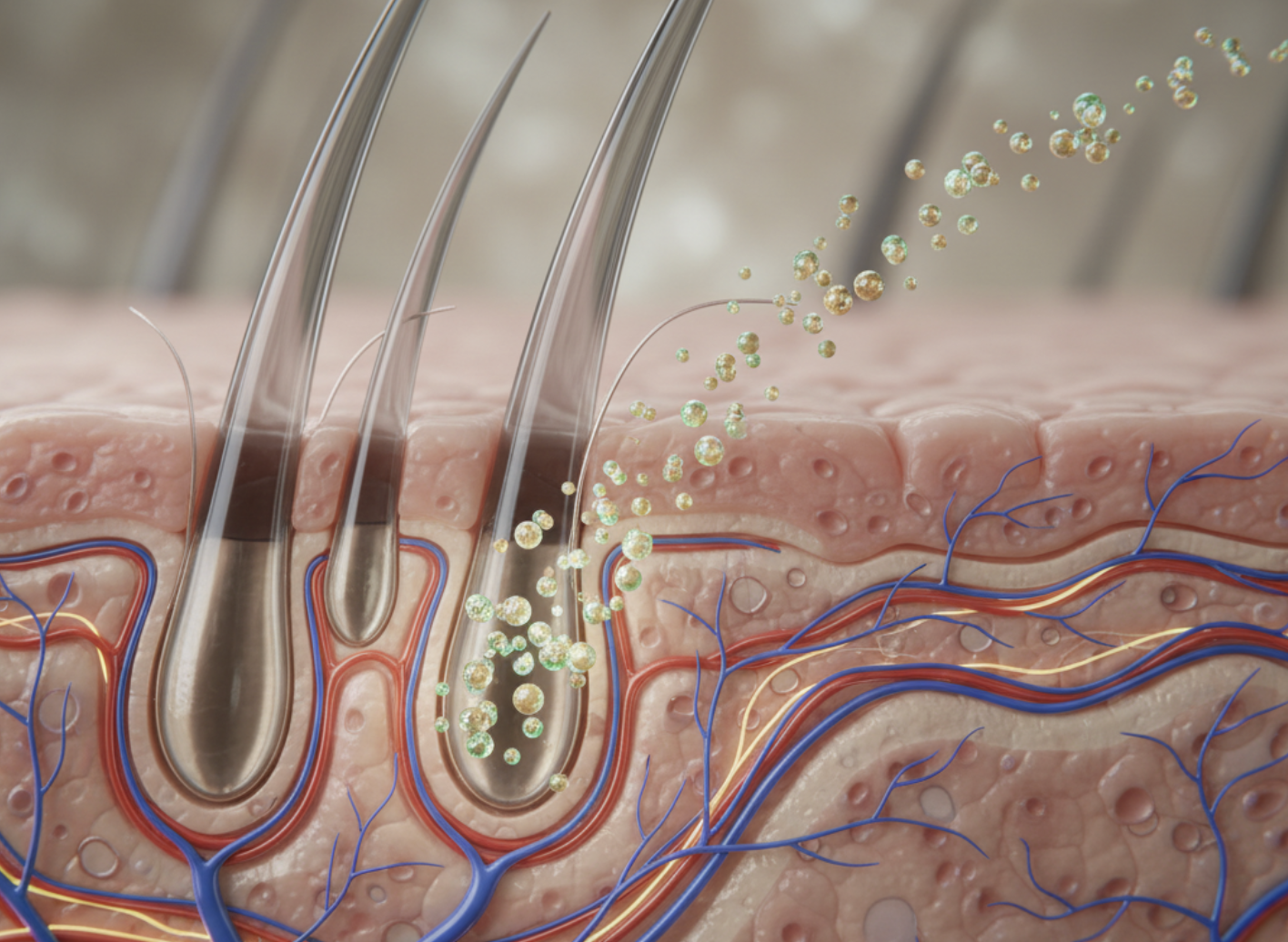
CALECIM® is worth considering before a hair transplant if you still have active follicles and want to test a non-surgical option first
If you have thinning hair, miniaturized strands, or ongoing shedding, a pre-transplant trial may make sense before moving directly to surgery. People with advanced bald areas and long-term inactive follicles are less likely to see meaningful improvement from topical treatment alone.
According to NCBI Bookshelf, androgenetic alopecia shortens the growth phase and causes progressive follicular miniaturization.
That distinction matters because many people considering a hair transplant are not completely bald yet. They may still have follicles capable of producing thinner, weaker hairs.
When a pre-transplant trial makes sense
Trying CALECIM® before surgery may be reasonable if you:
- still have visible hairs in thinning areas
- notice increased shedding but not complete baldness
- want to avoid surgery if possible
- are hesitant about medication side effects
- want to improve scalp health before making a surgical decision
CALECIM® Professional hair loss solution is designed as a 6-week treatment phase that combines PTT-6® with an activator and derma stamper.
When surgery may still be the better next step
A transplant may still be the better option if:
- the scalp has smooth, inactive bald areas
- hair loss has remained advanced for many years
- donor hair density is still strong
- there is little visible miniaturized hair left
- you want major density restoration rather than support for existing hair
Aesthetic Plastic Surgery reports that hair transplant surgery is generally safe, although swelling, discomfort, and scarring are among the potential complications associated with surgical procedures.
The key question is whether your hair follicles are dormant, sluggish, or already inactive
The success of non-surgical hair treatments often depends on whether follicles are still functioning at some level. Dormant or miniaturized follicles may still produce hair, while fully inactive follicles usually require surgical redistribution.
This is why many dermatologists focus on timing. Once follicles remain inactive long enough, reversal becomes more difficult.
Why dormant follicles may still respond to support
Hair follicles do not always stop functioning immediately. Many progressively shrink over time, producing finer and shorter hairs before becoming inactive.
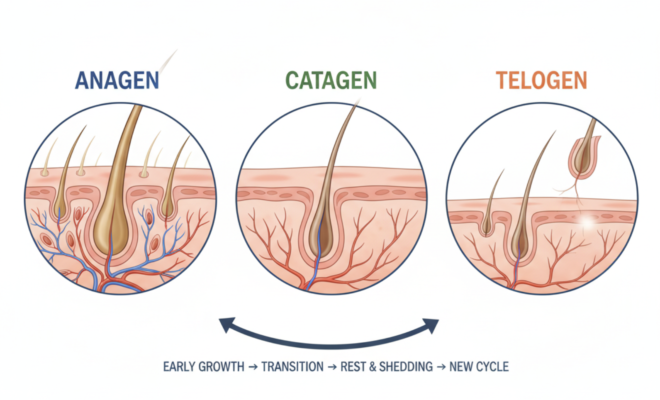
The hair cycle involves anagen and telogen balance, with multiple biological factors influencing how follicles move between growth and resting phases.
CALECIM® Professional technology uses stem-cell-derived growth factors, exosomes, and proteins intended to support dormant or sluggish follicles.
That does not mean every follicle will regrow. It means some people may still have enough follicular activity to justify trying a non-surgical approach first.
Why fully inactive areas usually need surgical evaluation
Hair transplantation works differently from regenerative scalp care. Instead of reactivating follicles, it redistributes existing healthy follicles from donor zones to thinning areas.
Modern hair restoration surgery is based on follicular unit transplantation, where follicular units are used as hair grafts.
If an area has lost follicles completely, topical support alone may not create meaningful density.
People with early thinning, shedding, reduced density, or a widening part may be better candidates for trying CALECIM® first
Early-stage hair loss often responds better to intervention than advanced loss. That is why many people explore stem cell hair products before considering surgery.
Female pattern hair loss can progress from a widening part to overall thinning, and treatment works best when started at the first sign of hair loss.
Early signs that suggest there may still be follicle activity
Common signs include:
- increased shedding in the shower
- a thinner ponytail
- reduced density at the crown
- widening part lines
- slower regrowth after shedding
- finer hair texture
These signs suggest follicles may still be active, even if weakened.
CALECIM® Professional Hair Serum supports scalp health through PTT-6®, growth factors, proteins, cytokines, and exosomes
CALECIM® Professional Hair Serum is designed to support follicle function and scalp health using PTT-6®, a blend of proteins, growth factors, cytokines, and exosomes.
How follicle activation supports the hair growth cycle
Hair growth depends on follicles remaining in healthy growth cycles long enough to produce thicker strands.
Hair follicles continuously cycle between growth and resting phases, and disruptions in that balance can contribute to shedding and miniaturization.
CALECIM® brand-reported data includes:
- 24% increase in follicle cell production
- 16% increase in hair shaft thickness
- 14% increase in hair strands
Why managing signs of scalp inflammation matters
Inflammation may contribute to shedding and follicle stress in some forms of hair loss.
PTT-6® testing showed a brand-reported 30x decrease in scalp inflammation markers during laboratory testing.
How the activator and derma stamper fit into the routine
The CALECIM® system combines:
- scalp activator
- derma stamper
- topical serum
The idea behind microneedling-based routines is to create controlled microchannels that may improve topical penetration.
CALECIM®, Minoxidil, PRP, microneedling, and hair transplant each fit different stages of hair loss
Different hair-loss treatments solve different problems. Choosing the right option depends on follicle activity, severity of thinning, comfort with medication, and willingness to undergo procedures.
| Treatment | Best For | Invasiveness | Main Goal | Limitations |
| CALECIM® Professional | Early thinning and shedding | Low | Support follicle activity and scalp health | May not restore completely inactive areas |
| Minoxidil | Mild to moderate androgenetic alopecia | Low | Extend growth phase | Ongoing use required |
| PRP | Early to moderate thinning | Moderate | Growth-factor stimulation | Variable evidence |
| Microneedling | Adjunct therapy | Moderate | Scalp stimulation and topical support | Protocols vary |
| Hair Transplant | Advanced hair loss | Surgical | Redistribute donor follicles | Cost, recovery, surgical risks |
Best options for early thinning
People with active follicles often start with:
- topical treatments
- scalp-focused care
- microneedling
- PRP
- combination routines
Best options for advanced hair loss
People with fully inactive bald areas are more likely to require surgical redistribution if they want significant density restoration.
Best options for people avoiding drug-based treatments
Some people prefer avoiding long-term medication use due to side effects, lifestyle preferences, or personal concerns.
In those cases, regenerative scalp care and non-drug approaches may be explored first, although outcomes vary.
A 6-week trial can help you decide whether to continue CALECIM® or move closer to transplant planning
A defined treatment window can help people assess whether non-surgical care is producing visible changes before making larger financial or surgical decisions.
The CALECIM® Professional hair treatment phase lasts 6 weeks.
What changes to track during treatment
Track:
- daily shedding levels
- density changes
- hair texture
- crown visibility
- width of the part line
Some changes appear gradually rather than dramatically.
CALECIM® may also support post-hair transplant care by helping maintain scalp health and surrounding native hair
A transplant redistributes donor follicles, but surrounding native hair still matters for long-term density and appearance.
This is one reason some people continue scalp-focused care after surgery.
Why transplanted hair is only part of long-term density
A transplant moves follicles into thinning areas, but existing non-transplanted hair can continue to miniaturize over time.
That means maintaining surrounding hair may still matter after surgery.
FAQ
Is CALECIM® worth trying before a hair transplant?
It may be worth trying if you still have active follicles and want to explore a non-surgical option first. People with advanced inactive bald areas are less likely to respond to topical care alone.
Can CALECIM® help you avoid a hair transplant?
Possibly in some early-stage cases, but it should not be positioned as a guaranteed replacement for surgery. Results depend on follicle activity and the type of hair loss.
How long should you use CALECIM® before deciding on surgery?
A defined 6-week to 12-week trial may help you evaluate early changes such as reduced shedding, thicker strands, or improved density.
Is CALECIM® useful for post-hair transplant care?
It may be useful in a broader scalp-support routine following surgery, particularly for preserving surrounding native hair and promoting healing.
Can CALECIM® be used with microneedling or derma stamping?
Yes. The treatment is designed around a derma stamper and activator routine.
Is CALECIM® a stem cell hair product?
CALECIM® Professional uses stem-cell-derived growth factors, exosomes, proteins, and cytokines as part of its PTT-6® technology.
Who is not a good candidate for CALECIM® alone?
People with advanced inactive bald areas or extensive long-term hair loss may require surgical evaluation if they want significant density restoration.
Conclusion
CALECIM® Professional Hair Serum may be worth trying before a hair transplant if you want to explore a non-surgical approach first. It is most relevant for people with early thinning, shedding, widening parts, or reduced density rather than completely inactive bald areas.
A transplant redistributes existing follicles, while regenerative scalp care focuses on supporting the follicles you still have. For many people, a defined trial period can help clarify whether non-surgical management still has potential before moving toward surgery.


0 comments