
Home Improvement
Smart Household Upgrades for Everyday Living: DecoradTech Home Hacks
You don’t always need to build a whole new wall to make your living space more comfortable and functional. Small, well-considered changes to layout, storage and lighting can make everyday tasks easier and improve the feel of any room.
What Upgrades are Included in Smart Home
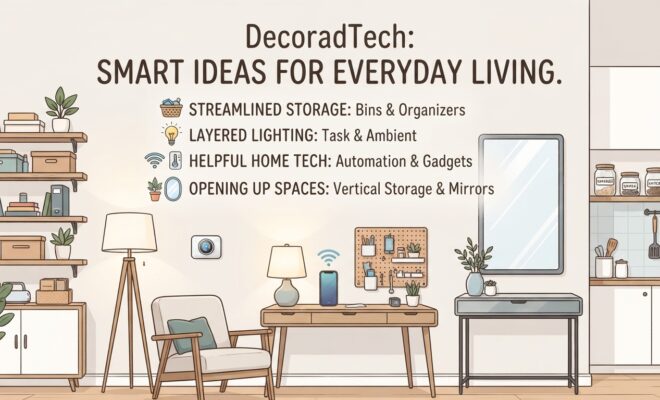
These practical upgrades combine intelligent storage, better room flow, energy-wise habits and handy home gadgets to simplify everyday living without busting the budget, whether you’re in a compact flat or a spacious home where small changes often make the biggest difference day to day.
Practical Storage and Room Enhancements
Making daily storage simple
When items have no place to call home, counters, nightstands, shelves, and cabinets tend to collect clutter. Decluttering items you no longer use and grouping remaining items by function helps rooms stay tidier with less effort. To keep storage organized, place everyday items in baskets or labeled bins within easy reach, add dividers to drawers, use wall space or shelving in overlooked corners and pack seasonal gear into marked containers after measuring rooms carefully.
Making the Kitchen Easier to Manage
Because the kitchen is a high-traffic area, smart placement of cookware, pantry staples and cleaning supplies cuts down on wasted motion, and task lighting under upper cabinets makes prep work more clear and safe. Keeping useful items close to your prep and cooking area, putting dry goods in clear, labeled containers, grouping cleaning supplies, and wiping down surfaces regularly makes the space efficient.
Layering of room lighting
One overhead fixture can make corners dim or harsh. LED bulbs help keep the power draw down, and combining ambient, task and accent lighting gives each room the personality to fit how you actually use it. Use motion sensors for hallways and entryways . Use brighter focused light for kitchens, reading nooks and work areas. Use softer lighting in the bedroom to wind down in the evening. Check smart bulb compatibility before you buy.
Home Technology Support
Intentionally chosen connected devices, such as smart plugs, smart thermostats, video doorbells, security cameras, smart lighting, or automated shades, can make routine tasks easier through apps, schedules, or voice commands. Choose devices that solve real-life daily irritations rather than novelty features and check compatibility, set-up requirements and privacy settings before connecting anything to your network to ensure it runs smoothly.
Clearing Tight Places
Keeping the floor space clear and having furniture that serves two purposes, such as folding tables, slim desks, beds with built-in drawers or wall-mounted racks will make compact rooms feel a lot more livable. Vertical shelving draws the eye up, walkways are clear, seldom used items are out of sight, excess decor is skipped, and mirrors or good lighting make openness.
Keeping Your Bathroom Clean and Dry
Bathrooms are fresher and easier to clean when toiletries, towels and cleaners have their own place and moisture is managed. Shelves, baskets, hooks and towel bars help separate daily essentials from backup supplies. Wipe mirrors and counters regularly. Check faucets or fittings for drips. Run proper ventilation and follow the electrical safety rules around damp areas. This keeps the room in top shape.
Living Room Renovation on a Budget
You don’t have to replace major furniture to give a lounge or family room a fresh look. Just reposition seating for comfortable conversation, and clear traffic paths. You can refresh the whole room by swapping out throw pillow covers, adding an area rug, updating curtains, adding indoor plants, adjusting lighting and choosing accents that work with your current palette.
Tackling Energy Waste in Daily Life
Keep your utility bills manageable and your equipment in good working order with simple daily routines and basic maintenance, especially if you turn off lights and appliances when not in use and rely on natural daylight. Over time, you can save power by replacing old bulbs with LEDs, sealing drafts around doors and windows, servicing heating or cooling equipment, checking energy ratings when replacing appliances, and not leaving idle equipment running.
Ways to Make Your Bedroom More Relaxing
A tidy bedroom can make it easier to sleep and get up in the morning when clothes, linens and personal belongings are kept in drawers, closets or under-bed bins. Clear walking paths, uncluttered nightstands, comfortable bedding and proper curtains with soft evening lighting all help to make the room a restful retreat.
Keeping Up With Cleaning and Maintenance
Regular, short habits trump a marathon weekend catch-up and prevent minor wear from turning into expensive repairs. Wipe down high-touch and kitchen surfaces daily and tidy up high-use zones regularly. Keeping up with maintenance is easy by cleaning appliance filters, checking plumbing for leaks, inspecting doors and windows on schedule, paying close attention to product labels and never mixing household cleaners unless they are explicitly safe to combine.
Inviting Doorways
A tidy entry sets the tone the moment anyone walks in and prevents outdoor mess from spreading, so having a designated spot for shoes, keys, bags and coats without blocking the door is essential. Make it welcoming: Include a small bench or table, wall hooks, a plant and good lighting. Keep the front door and threshold clean.
Cheap Ideas About the House
In the kitchen, labeling pantry jars saves cooking time and tidies shelves, sliding storage bins under the bed in the bedroom utilizes otherwise dead space, and rearranging seating in the living room makes it more comfortable and easier to navigate. Install compact shelves in the bathroom to free up the sink from toiletries. Install a shoe rack or organizer in the entryway to reduce clutter by the door. Bundle and route cords in the workspace to keep desks clean. Switch to LED bulbs to cut electricity use.
Pitfalls to Avoid and Habits That Will Last
Common Mistakes to Avoid
Good intentions can go wrong when projects are rushed or overcomplicated—like buying things that serve no real purpose or need, skipping measurements before you buy furniture or organizers, crowding rooms with too much decor, neglecting routine maintenance, or picking out smart gear that doesn’t fit your setup.
Establishing a Routine
Trying to do everything at once is a no-go; consistency is built on small steps that can be repeated. When you have time, take a few minutes to organize a drawer, wipe down a shelf, or check a fixture. Pace out the bigger projects to match your budget. All of these things will help you create habits that last.
Frequently Asked Questions
What are some easy entry points for beginners
Easy first steps include tidying drawers, labeling bins, moving furniture, upgrading lighting and adding basic shelves.
How to improve the look of a house on a budget
And you can make a positive impact without breaking the bank by de-cluttering, re-purposing what you have, swapping out pillow covers, adding inexpensive plants, and improving the lighting.
Best smart home devices
Smart bulbs, smart plugs, thermostats, video doorbells and cameras are popular choices when matched to your actual needs and network.
How to organize a small house effectively
Use vertical storage, multi-functional furniture, labeled bins and wall organizers and keep excess clutter out of main living spaces.
How do these changes cut down on time
Better storage, defined work areas and fast clean-up habits reduce the time spent searching for things and accelerate daily tasks.
Are these ideas good for all homes?
Many basics work well in a variety of layouts, but the best fit is determined by your space, budget, household habits and building set-up.
Closing Takeaway
Regular maintenance, intelligent storage, consistent lighting and helpful tools customized to your lifestyle will help you set up a friendly, functional home. Begin with the areas that annoy you the most, and you will get the fastest return on your investment.


0 comments